

QR Code Ordering for Restaurants in Singapore — Complete Guide 2026
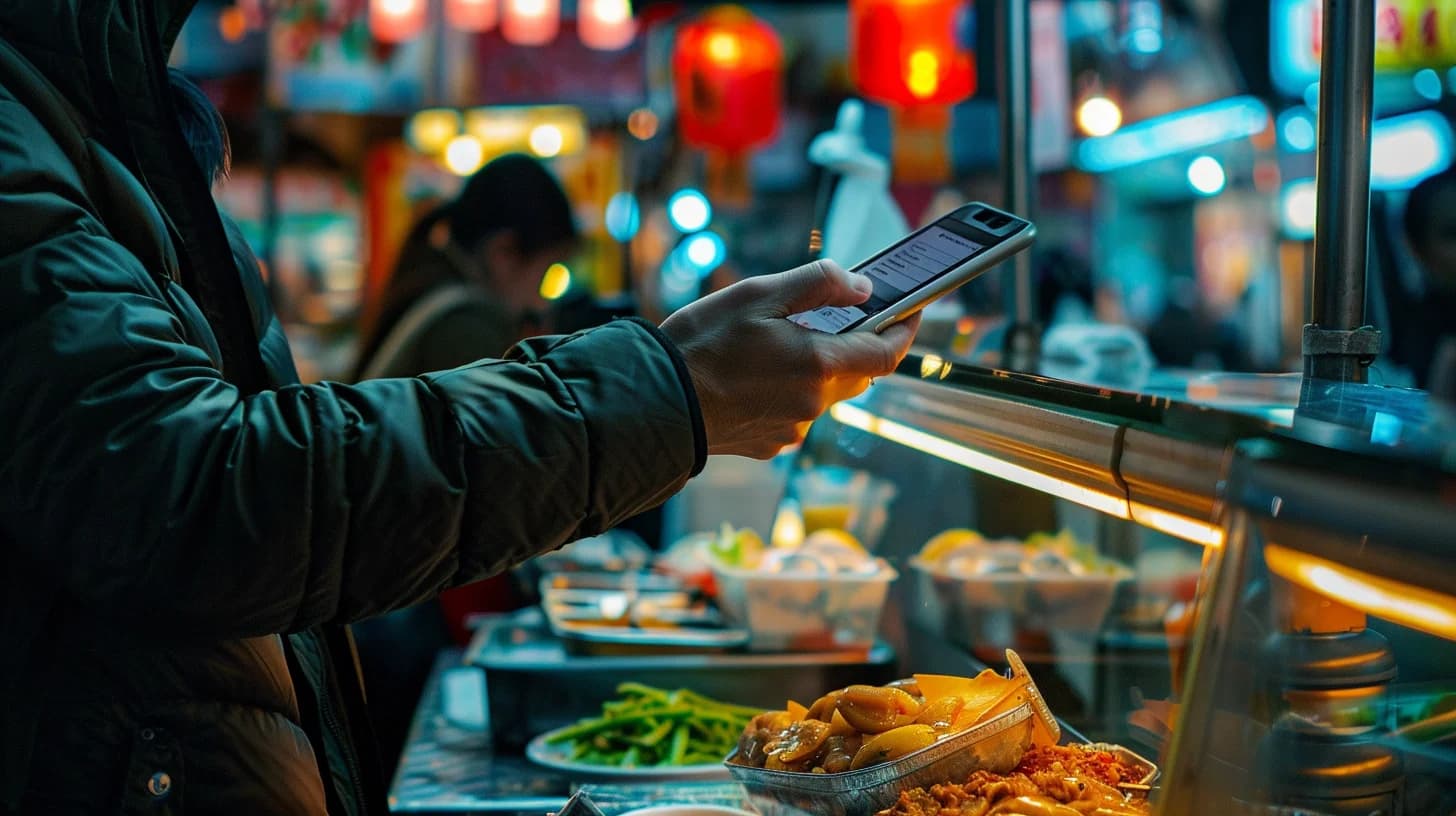
Singapore's restaurant industry has embraced a new normal. What started as a pandemic necessity has become a customer expectation. QR code ordering is now standard across cafes, hawker centers, and fine dining establishments throughout the island.
This guide covers everything Singapore restaurant owners need to know about implementing QR ordering — from the benefits to the setup process, and how to choose the right system for your establishment.
Why QR Ordering Matters for Singapore Restaurants
The adoption of QR ordering in Singapore accelerated dramatically during COVID-19. Today, it remains popular for several key reasons:
1. Reduced Contact, Faster Service
Customers scan, browse, and order without touching physical menus or waiting for a server. This speeds up table turnover — critical during lunch rush at business districts like Raffles Place and Marina Bay.
2. Lower Operational Costs
Fewer staff needed for taking orders means lower labor costs. Many Singapore F&B operators report saving 15-25% on staffing after implementing QR ordering.
3. Real-Time Menu Updates
Change prices, update items, or mark items as sold out instantly. No more printing new menus or training staff on changes.
4. Valuable Customer Data
Collect email addresses, analyze ordering patterns, and launch targeted marketing campaigns. Understand what your customers actually order — not just what they tell you.
5. Integration with Delivery Platforms
For restaurants already using GrabFood and Foodpanda, QR ordering systems can sync menu data across all platforms automatically.
How QR Code Ordering Works
The typical QR ordering flow for Singapore restaurants:
- Customer scans QR code — Placed on table or at entrance
- Digital menu appears — On customer's phone, no app download required
- Customer browses and orders — Adds items to cart, customizes
- Order goes to kitchen — Appears on KDS (Kitchen Display System)
- Payment via phone — PayNow, credit card, or cash
- Order confirmation — SMS or notification when ready
Best Practices for Singapore Restaurants
Placement and Design
- Multiple QR codes per table — One for ordering, one for payment
- Clear instructions — "Scan to order" in English, Mandarin, Malay, and Tamil
- Durable materials — Laminated cards or table tents that survive Singapore's humid environment
Menu Optimization
- High-quality photos — Singapore diners respond well to visual menus
- Allergen information — Clearly mark nuts, shellfish, and other common allergens
- Popular items highlighted — Feature bestsellers prominently
Staff Training
- Hybrid service model — Staff still check on tables, but customers order directly
- Technology support — Have a staff member available to help elderly customers
- Kitchen workflow — Ensure kitchen staff can handle digital orders alongside walk-ins
Popular QR Ordering Providers in Singapore
| Provider | Best For | Pricing | Key Features |
|---|---|---|---|
| Oddle | Full-service restaurants | Custom | Menu management, CRM, delivery integration |
| Eatigo | High-volume venues | Transaction-based | Reservation integration, peak pricing |
| Shopline | Retail + F&B | d>From $49/moMulti-channel, loyalty programs | |
| Klikit | Delivery-focused F&B | Contact us for pricing | Order aggregation, POS, QR ordering in one |
| Chope | Fine dining | Custom | Reservation management, premium positioning |
Challenges to Consider
Elderly Customers
Singapore has an aging population. Some customers — particularly seniors — may struggle with smartphone-based ordering. Solution: Keep some physical menus available and train staff to assist.
Technical Reliability
Poor WiFi at basement venues or hawker centers can frustrate customers. Ensure you have backup connectivity options.
Order Accuracy
Digital orders reduce human error, but customization notes can get lost. Ensure kitchen staff have clear visibility into special requests.
Customer Isolation
Some diners prefer the traditional service experience. QR ordering works best when combined with attentive service — not as a replacement for human interaction.
Is QR Ordering Right for Your Restaurant?
QR ordering works well for:
- Fast-casual and quick-service restaurants
- Cafes and coffee shops
- Food courts and hawker stalls (with some adaptation)
- Chain restaurants needing standardized ordering
- Cloud kitchens without dine-in
You may want a hybrid approach if:
- You run a fine-dining establishment where service is part of the experience
- Your customer base skews older
- You have complex, customizable menu items requiring personal explanation
Getting Started with QR Ordering
Ready to implement QR ordering at your Singapore restaurant? Here's a quick start checklist:
- Choose your platform — Consider your existing POS and delivery integrations
- Design your digital menu — High-quality photos, clear categories, accurate pricing
- Print QR materials — Professional table tents or stickers
- Train your staff — Ensure everyone can help customers and manage the system
- Test with real customers — Get feedback before full rollout
- Monitor and optimize — Track popular items, peak times, and customer feedback
Conclusion
QR code ordering has evolved from a pandemic workaround to a permanent fixture of Singapore's dining landscape. For restaurant owners, it offers operational efficiency, cost savings, and valuable customer insights.
The key is implementation — choose a system that integrates with your existing tools, train your team properly, and maintain the service quality your customers expect.
Whether you run a cafe in Tiong Bahru or a chain of fast-food outlets across the island, QR ordering can streamline your operations and improve the customer experience.
Ready to explore QR ordering for your restaurant? Klikit offers integrated QR ordering as part of our all-in-one restaurant operating system.