

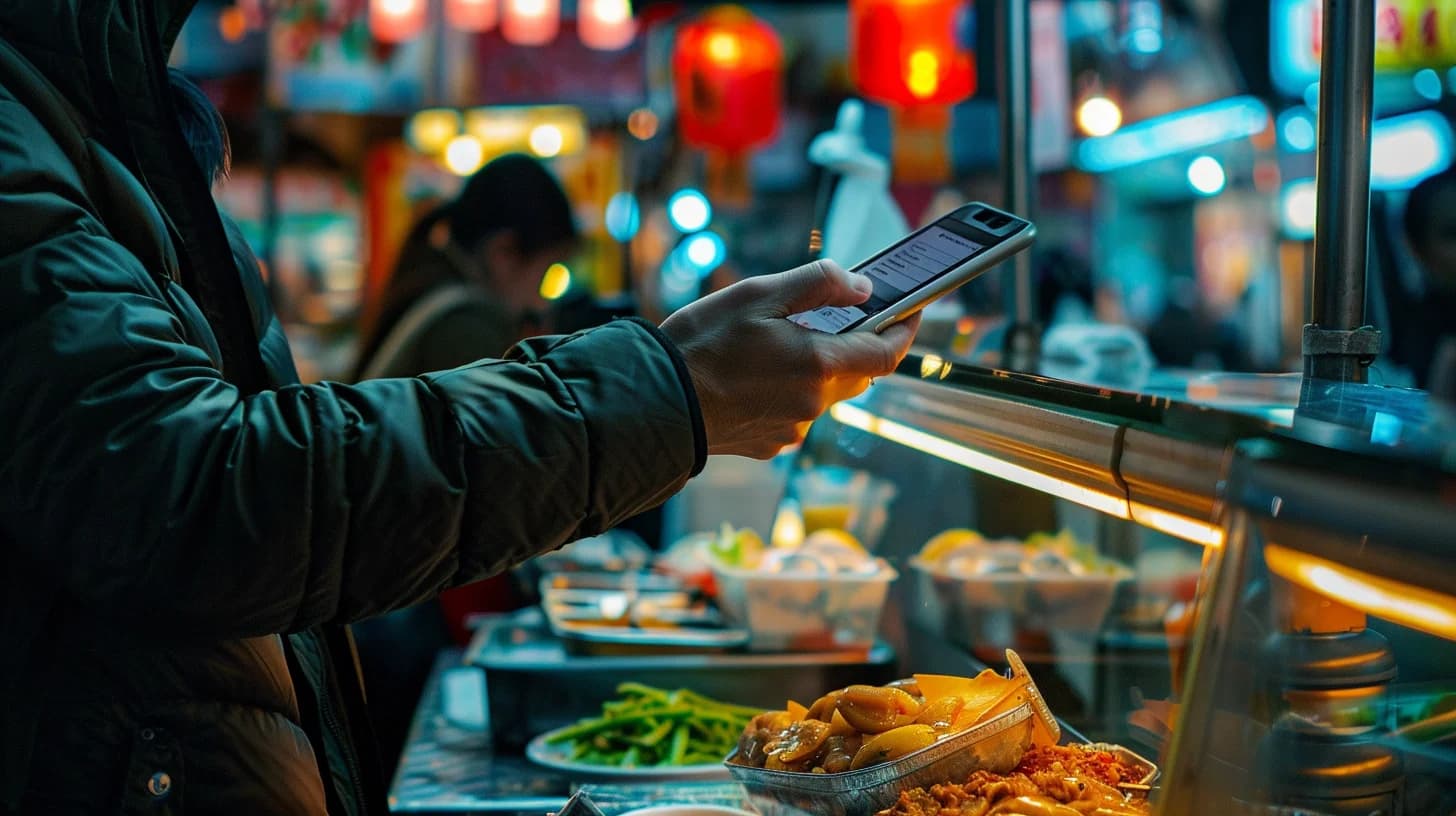
Restaurant QR Code Ordering in 2026: Why Customers Are Pushing Back
Remember when QR code ordering was supposed to revolutionize the restaurant industry? During the pandemic, it seemed like the perfect solution—contactless, cost-effective, and easy to implement. Fast forward to 2026, and the honeymoon is over. Customers are increasingly frustrated, and smart restaurant operators are rethinking their approach.
The QR Code Dream vs. Reality
When restaurants first adopted QR code ordering, the promise was compelling: no more waiting for servers, faster turnover, lower labor costs, and seamless payment processing. For many establishments, especially quick-service restaurants and coffee shops, QR ordering delivered on these promises.
But for full-service dining, the experience has often fallen short. Customers increasingly report frustration with:
- Navigation fatigue—scanning a QR code only to land on a confusing menu that requires multiple clicks to find what you want
- Payment complexity—split bills, tip calculation, and processing fees become digital headaches
- Disconnection from human service—the social, personal aspect of dining is lost
- Technical failures—poor WiFi, mobile compatibility issues, and broken links
- Upselling fatigue—aggressive pop-ups and prompts interrupt the ordering flow
What's Driving the Backlash?
The QR ordering backlash isn't just customer preference—it's a fundamental shift in expectations. Here's what's fueling the movement:
1. Post-Pandemic Service Expectations
As pandemic restrictions eased, many customers actively sought human interaction. The impersonal nature of QR ordering feels like a cost-cutting measure rather than an enhancement.
2. Fatigue with Digital Fatigue
After years of screen-dominated lives, many diners want to disconnect during meals. Staring at a phone while waiting for food feels less like convenience and more like labor.
3. Accessibility Issues
Older customers, those with visual impairments, and tech-averse diners struggle with QR interfaces. This alienates a significant portion of the restaurantgoing public.
4. Restaurant Operator Realizations
Many operators discovered that QR ordering reduced average check sizes. Without a server to recommend appetizers, drinks, or desserts, customers order less.
What Leading Restaurants Are Doing in 2026
Rather than abandoning technology entirely, successful restaurants are finding hybrid approaches that balance digital efficiency with human connection:
The "QR Plus" Model
Restaurants maintain QR ordering for simple transactions—viewing menus, paying bills—while ensuring servers actively engage for the full dining experience. The QR code is a tool, not a replacement for service.
Premium QR Experiences
Upscale restaurants are investing in high-quality digital menu experiences with stunning food photography, detailed descriptions, and allergen information that enhances rather than replaces the server's recommendations.
Hybrid Station Concepts
Some establishments use QR ordering at counter-service stations while maintaining full table service for dine-in. This approach matches technology to the appropriate dining context.
Return to Paper Menus
Paradoxically, several high-profile restaurants have returned to printed menus as a differentiator. The "analog" experience now signals premium service.
How Klikit Addresses the QR Ordering Challenge
For restaurants in APAC looking to optimize their ordering experience, Klikit offers a balanced approach:
- Flexible ordering modes—switch between QR, tablet, and traditional service based on time of day and customer preference
- Smart upselling integration—AI-driven recommendations appear at optimal moments without being intrusive
- Multi-channel order management—consolidate orders from QR, delivery apps, and in-person service into one kitchen display
- Payment flexibility—support cash, card, QR payments, and buy-now-pay-later options
- Analytics that matter—track not just orders, but customer satisfaction and order values by ordering method
The Future: Context-Aware Ordering
The next evolution of restaurant ordering will be context-aware systems that adapt to the dining situation:
- Quick lunch? QR ordering with express checkout
- Celebration dinner? Human service with tablet supplements for large groups
- Coffee grab-and-go? Fully digital, contactless
- Family dining? Hybrid approach with kids' menus on tablet
The restaurants that will thrive are those that offer choice—letting customers choose how they want to engage rather than forcing a single interface.
Key Takeaways for Restaurant Operators
- Don't abandon QR entirely—it works well for certain contexts
- Invest in the digital experience—if you use QR, make it excellent
- Maintain human connection—service differentiation matters
- Measure what matters—track satisfaction and average order value by ordering method
- Offer choice when possible—let customers guide their experience
The QR code ordering debate in 2026 isn't about technology versus tradition—it's about finding the right balance for your specific restaurant and customers. The operators who succeed will be those who view ordering technology as one tool in a broader service strategy, not a replacement for human connection.