

QR Code Ordering Trends in Southeast Asia: 2026 Restaurant Guide
QR code ordering has become the new normal for restaurants across Southeast Asia. What started as a contactless solution during the pandemic has evolved into a full-fledged digital transformation tool that restaurants increasingly rely on for operational efficiency and customer experience.
Why QR Code Ordering Matters in 2026
The food and beverage industry in Southeast Asia continues to embrace digital-first experiences. QR code ordering offers restaurants several key advantages:
- Reduced labor costs - Fewer servers needed per table
- Faster order turnaround - Orders go directly to the kitchen
- Contactless payments - Built-in digital payment options
- Menu updates made easy - No printing costs for menu changes
Market-Specific Trends
Singapore
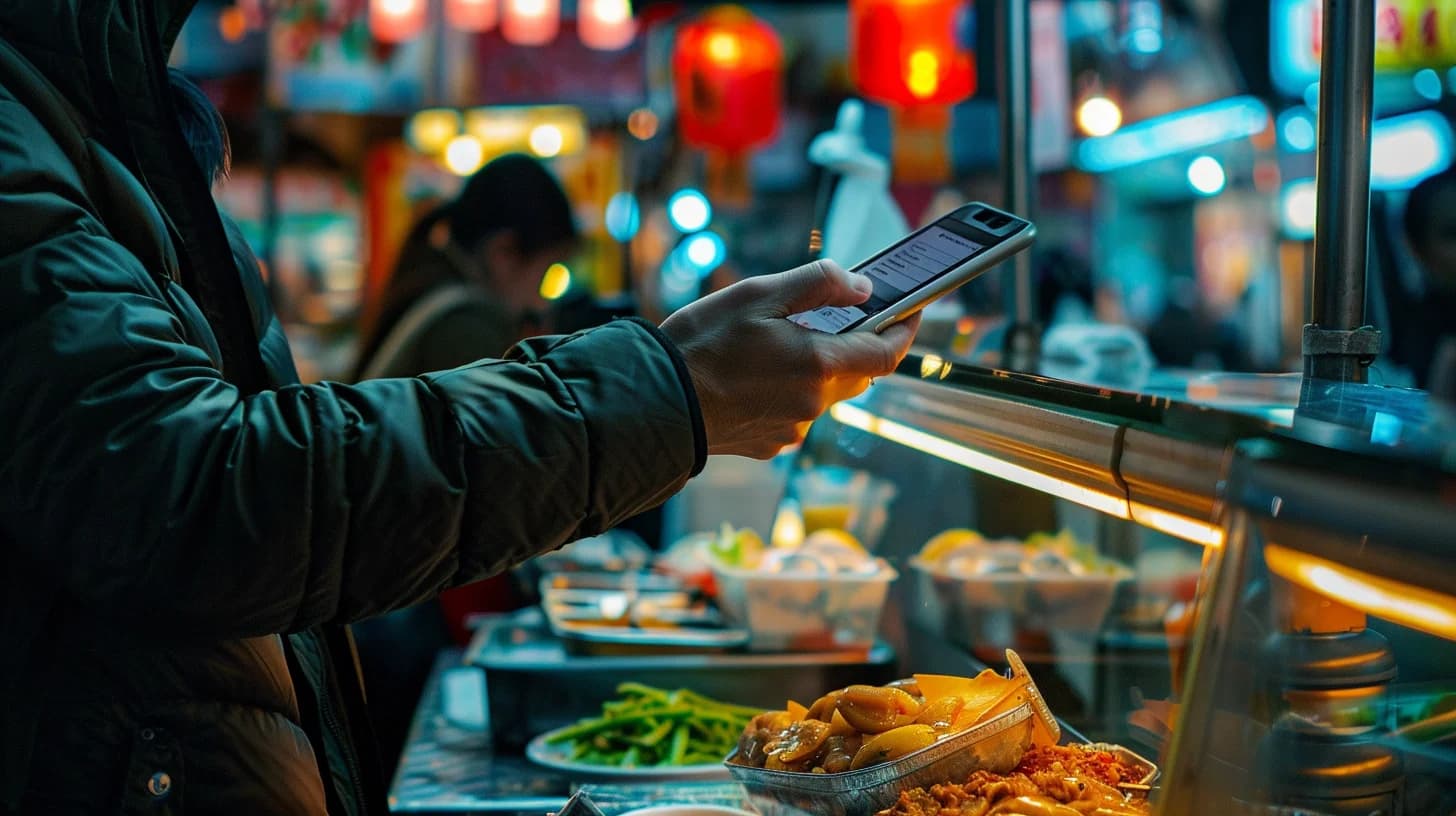
Singapore leads the region in QR code adoption. Most hawker centers and food courts now operate completely cashless, with QR ordering at every stall. The government's push for digitalization has made Singapore a model for the region.
Philippines
In the Philippines, QR code ordering is gaining momentum in urban areas. Quick-service restaurants and cafes are leading the adoption, particularly in Metro Manila. The challenge remains in provincial areas where smartphone penetration varies.
Indonesia
Indonesia has seen rapid QR code adoption, especially in Jakarta and Surabaya. QRIS (Quick Response Code Indonesian Standard) has standardized QR payments across the archipelago, making it easier for restaurants to implement unified systems.
Malaysia
Malaysia's QR code ecosystem benefits from strong banking integration. Most restaurants now offer both QR ordering and QR payment options, creating a seamless customer experience.
Thailand
Thailand combines QR ordering with its popular delivery platforms. Restaurants often use QR codes that link directly to GrabFood or Foodpanda ordering pages, bridging dine-in and delivery experiences.
Best Practices for Implementation
- Place QR codes strategically - At table center or on napkins
- Test across devices - Ensure compatibility with various smartphones
- Provide alternatives - Keep physical menus for those who prefer them
- Optimize for speed - Limit steps to complete an order
- Integrate with POS - Connect orders directly to kitchen display systems
Choosing the Right QR Ordering System
When selecting a QR code ordering solution, restaurants should consider:
- POS integration capabilities
- Multi-language support for diverse customers
- Payment gateway options
- Analytics and reporting features
- Cost structure (per-order fees vs. monthly subscriptions)
Looking Ahead
As we move through 2026, expect QR code ordering to evolve further with:
- AI-powered menu recommendations
- Personalized promotions based on order history
- Integration with loyalty programs
- Voice ordering capabilities
Restaurants that embrace QR code ordering now will be better positioned to deliver the digital experiences that Southeast Asian consumers increasingly expect.