

Ghost Kitchen vs Traditional Restaurant with Delivery: Which is Better in 2026?
The restaurant industry is at a crossroads. With delivery platforms dominating how people order food, business owners face a critical decision: invest in a traditional brick-and-mortar restaurant with delivery capabilities, or go all-in on a ghost kitchen model?
This comprehensive guide breaks down everything you need to know about ghost kitchens versus traditional restaurants with delivery in 2026—including startup costs, operational differences, profit margins, and which model makes sense for your specific situation.
What Is a Ghost Kitchen?
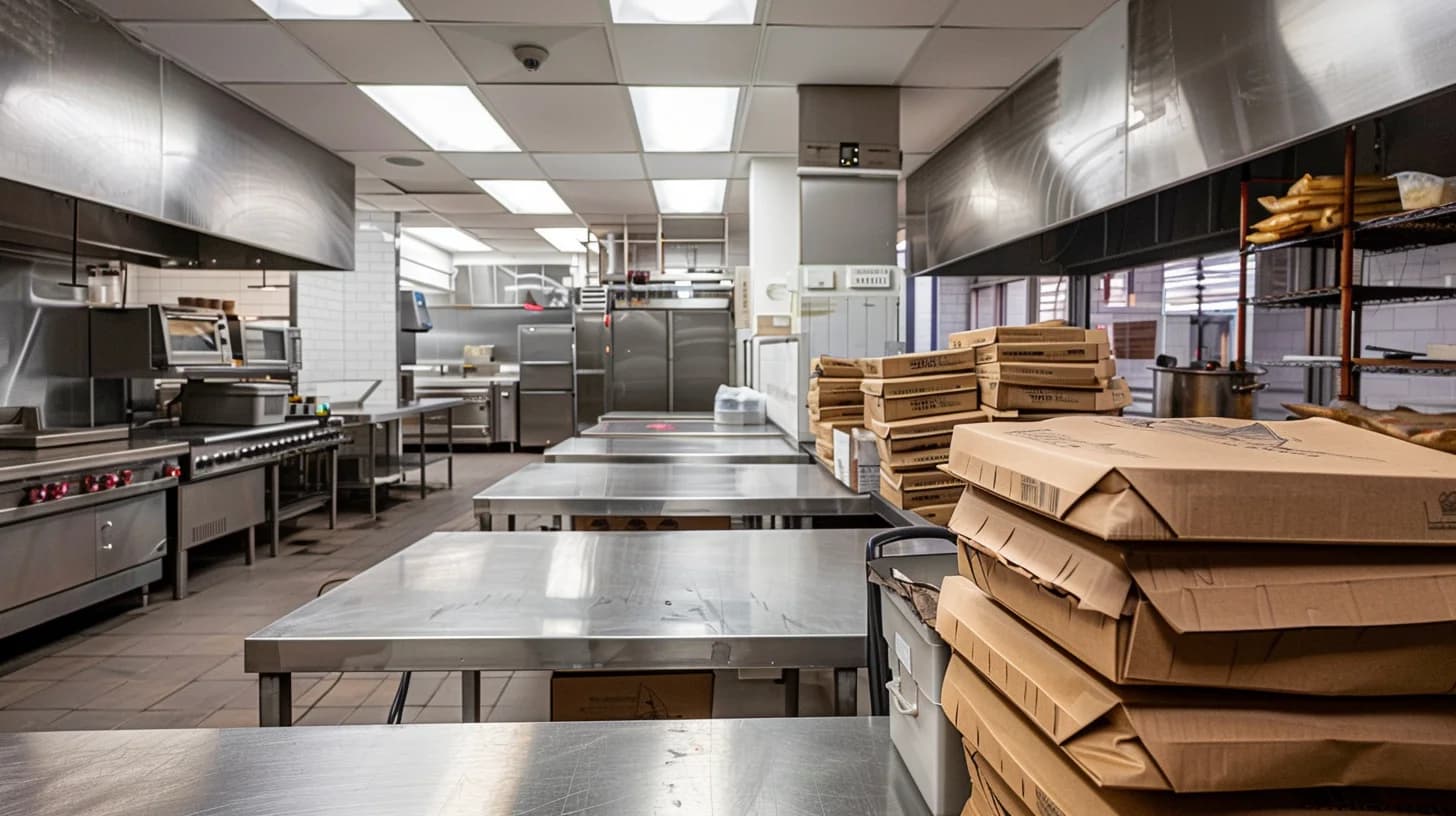
A ghost kitchen (also called a dark kitchen or cloud kitchen) is a delivery-only restaurant operation without a traditional storefront. You prepare food in a commercial kitchen space and fulfill orders exclusively through delivery platforms like DoorDash, Uber Eats, Grubhub, and others.
Ghost kitchens have exploded in popularity since 2020, with the global market projected to reach $71.4 billion by 2026. The model offers lower overhead, faster scaling, and flexibility that traditional restaurants can't match.
What Is a Traditional Restaurant with Delivery?
A traditional restaurant operates from a physical storefront where customers can dine in, takeout, and order delivery. These restaurants have historically dominated the food service industry and continue to generate the majority of restaurant revenue globally.
When we compare ghost kitchen vs restaurant in 2026, traditional restaurants have adapted by adding delivery capabilities through third-party platforms, in-house delivery fleets, and integrated POS systems.
Ghost Kitchen vs Traditional Restaurant: Key Differences
1. Startup Costs
Ghost Kitchen: $30,000 - $150,000
- Commercial kitchen lease (often shared): $1,500-5,000/month
- Kitchen equipment: $20,000-80,000
- POS and technology: $1,000-5,000
- Licensing and permits: $2,000-10,000
- Initial inventory: $3,000-10,000
- Branding and packaging: $2,000-15,000
Traditional Restaurant: $150,000 - $500,000+
- Real estate lease/deposit: $10,000-50,000
- Buildout and renovation: $50,000-200,000
- Full kitchen equipment: $50,000-150,000
- Dining room furniture: $10,000-50,000
- POS system: $2,000-10,000
- Licenses and permits: $5,000-20,000
Verdict: Ghost kitchens win on startup costs, requiring 50-80% less capital than traditional restaurants.
2. Operational Costs (Monthly)
Ghost Kitchen:
- Kitchen rent: $1,500-5,000
- Utilities: $300-800
- Staff (2-4 people): $4,000-12,000
- Delivery platform fees: 15-30% of revenue
- Marketing: $500-2,000
- Total: $6,300-19,800+
Traditional Restaurant:
- Commercial rent: $3,000-15,000
- Utilities: $800-2,000
- Staff (5-15 people): $8,000-30,000
- Delivery fees: 15-30% of delivery revenue
- Maintenance: $500-2,000
- Insurance: $300-1,000
- Total: $13,600-50,000+
3. Revenue Potential
Ghost Kitchen:
- Limited to delivery radius (2-5 miles typically)
- Heavily dependent on platform algorithms
- Can run multiple virtual brands from one kitchen
- Typical monthly revenue: $15,000-60,000 (well-run operations)
Traditional Restaurant:
- Three revenue streams: dine-in, takeout, delivery
- Brand recognition drives repeat business
- Higher average ticket sizes for dine-in
- Typical monthly revenue: $25,000-100,000+
Verdict: Traditional restaurants have higher revenue potential but also higher costs. Ghost kitchens can be more profitable per square foot with the right model.
4. Brand Building
Ghost Kitchen: Brand building is challenging without a physical presence. Customers interact with your food through delivery apps, not your brand. Virtual brands can build recognition through consistent quality and packaging, but it takes longer.
Traditional Restaurant: Physical presence builds brand awareness through signage, location, and customer experience. Social media and word-of-mouth work faster with a storefront.
Verdict: Traditional restaurants have a clear advantage in brand building.
5. Scalability
Ghost Kitchen:
- Easy to add new virtual brands
- Can open new locations in new markets quickly
- Lower risk when testing new concepts
- Can operate across multiple delivery platforms simultaneously
Traditional Restaurant:
- Expansion requires significant capital
- Longer timeline to open new locations
- Each location is a major commitment
- Franchise model adds complexity
Verdict: Ghost kitchens are significantly more scalable, especially for entrepreneurs looking to expand quickly.
Ghost Kitchen vs Traditional Restaurant: Pros and Cons Summary
Ghost Kitchen Advantages
- Lower startup costs (50-80% less)
- Lower monthly operating costs
- Flexible location options
- Easy to test multiple brands/concepts
- Faster to launch
- Easier to scale across markets
- No customer-facing drama or dining room management
Ghost Kitchen Disadvantages
- Completely dependent on delivery platforms
- Platform fees eat into margins (15-30%)
- Limited brand awareness
- No dine-in revenue stream
- Vulnerable to algorithm changes
- Customer service challenges through third parties
- Delivery delays can hurt reviews
Traditional Restaurant Advantages
- Multiple revenue streams (dine-in, takeout, delivery)
- Better brand building opportunities
- Higher average ticket sizes
- Direct customer relationships
- More predictable revenue
- Higher perceived value for customers
- Can build loyal local following
Traditional Restaurant Disadvantages
- Higher startup costs
- Higher ongoing operational costs
- Longer timeline to profitability
- More complex operations
- Staff management challenges
- Location-dependent success
- Harder to scale quickly
Which Model Is Right for You in 2026?
Choose a ghost kitchen if:
- You have limited capital ($30,000-150,000)
- You want to test a food concept quickly
- You're primarily interested in delivery revenue
- You want to run multiple brands or concepts
- You prefer lower operational complexity
- You plan to expand to multiple markets
Choose a traditional restaurant if:
- You have more capital ($150,000+)
- Building a lasting brand matters to you
- You want multiple revenue streams
- You have restaurant management experience
- You want to create a destination for customers
- Higher profit margins on dine-in orders are important
Hybrid Model: The Best of Both Worlds
Many restaurateurs in 2026 are choosing a hybrid approach: a traditional restaurant with a ghost kitchen component. This might mean:
- Operating a small dine-in space while running delivery-only brands from the same kitchen
- Using off-peak hours for ghost kitchen production
- Running virtual brands that complement your main restaurant concept
This approach gives you the brand-building benefits of a traditional restaurant with the scalability of ghost kitchen operations.
How Klikit Supports Both Models
Whether you choose a ghost kitchen or traditional restaurant model, Klikit's restaurant POS system helps you manage orders from multiple delivery platforms, track inventory, and analyze performance across all channels.
Key features for both models include:
- Multi-channel order aggregation: Connect DoorDash, Uber Eats, Grubhub, and local platforms to one dashboard
- Kitchen display system: Organize orders by priority and preparation time
- Menu management: Update menus across all platforms instantly
- Analytics: Track performance across delivery platforms and identify opportunities
- Inventory management: Prevent stockouts and reduce waste
Conclusion
The debate between ghost kitchen vs traditional restaurant isn't about which model is universally better—it's about which model fits your goals, capital, and expertise. In 2026, both models can be profitable with the right strategy and tools.
Ghost kitchens offer lower barriers to entry and faster scaling. Traditional restaurants offer multiple revenue streams and stronger brand building. Many successful operators are finding success with hybrid approaches that combine the best elements of both.
Whatever model you choose, investing in the right technology—like an integrated POS system that handles multi-channel delivery—will be critical to your success in 2026 and beyond.