

How to Set Up a Ghost Kitchen in Indonesia in 2026
The ghost kitchen model has exploded in Indonesia, with the market projected to reach $8 billion by 2027. If you're considering launching a delivery-only restaurant in Jakarta, Surabaya, or Bandung, this guide covers everything you need to know.
Why Ghost Kitchens Work in Indonesia
Indonesia's food delivery ecosystem is the largest in Southeast Asia, with over 50 million monthly active users across GrabFood, GoFood, and ShopeeFood. The economics are compelling:
- Lower overhead: No dine-in space means 40-60% lower operating costs
- Multiple brands, one kitchen: Run 3-5 delivery brands from a single location
- High demand: Urban millennials order food 8-10 times per month
- Proven model: Brands like Rice Bowl and Chatime started as cloud kitchens
Essential Platforms
GrabFood
The market leader with the highest order volume in tier-1 cities. Commission: 15-20% per order.
GoFood (Gojek)
Strong presence across all tiers, from Jakarta to secondary cities. Commission: 15-18%.
ShopeeFood
Growing rapidly with aggressive promotions. Commission: 12-15%.
Key Steps to Launch
1. Register Your Business
You'll need:
- PT Perusahaan Terbatas (PT) or CV for formal registration
- NPWP (Tax ID)
- SIUP (Business License)
- TDP (Company Registration)
- Halal certification (if applicable)
2. Choose Your Location
Ideal locations for ghost kitchens in Indonesia:
- Jakarta: South Jakarta (Kebayoran Baru, Senopati) for premium orders
- Surabaya: West Surabaya (Dukuh Pakis) for student/executive mix
- Bandung: Dago area for student demographic
3. Set Up Order Aggregation
Managing multiple delivery apps manually creates errors and delays. A unified POS system that aggregates orders from GrabFood, GoFood, and ShopeeFood is essential.
Key features needed:
- Real-time order pooling from all platforms
- Automatic routing to kitchen display
- Menu sync across all apps
- Inventory tracking per brand
4. Calculate Your Economics
Average costs for a 50㎡ ghost kitchen in Jakarta:
| Item | Monthly Cost (IDR) |
|---|---|
| Rent (shared kitchen) | 8,000,000 - 15,000,000 |
| Equipment | 5,000,000 (amortized) |
| POS System | 1,500,000 |
| Utilities | 2,500,000 |
| Staff (2 cooks + 1 packer) | 12,000,000 |
| Total | 29,000,000 - 36,000,000 |
Break-even typically at 800-1,000 orders/month at average order value of 75,000 IDR.
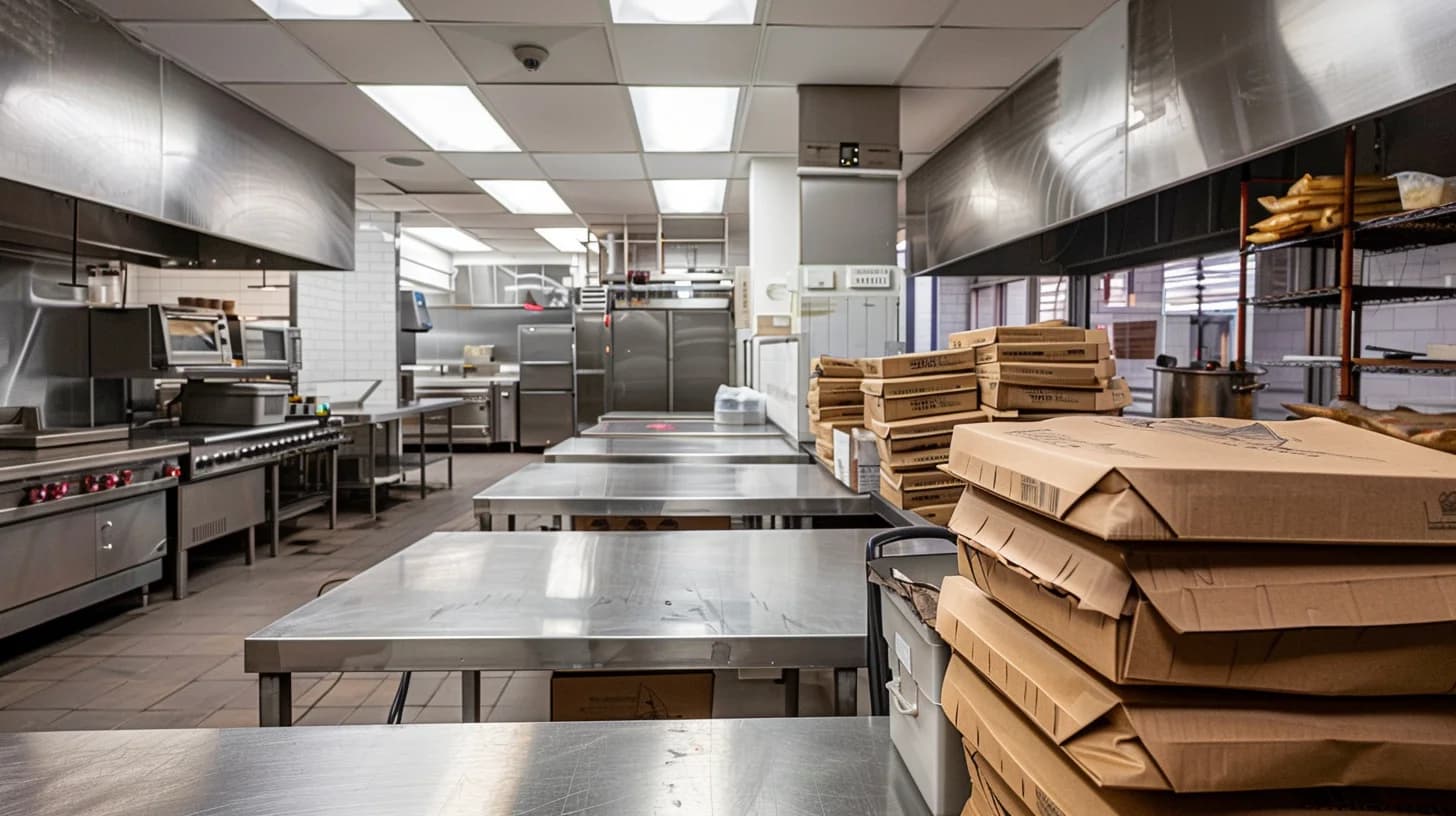
Recommended Kitchen Setup
For multi-brand operations, consider these station configurations:
- Hot station: Grills, fryers, woks (Asian fusion, grilled items)
- Cold station: Prep area for salads, bowls, cold dishes
- Packaging station: Dedicated area for proper food packaging
- Storage: Dry storage + refrigerated for 3-5 brand inventories
Common Mistakes to Avoid
- Underestimating delivery fees: Factor in all platform commissions plus rider tips
- Menu complexity: Start with 15-20 items per brand, expand after operations stabilize
- Ignoring reviews: Response time matters - aim for <30 minutes
- Manual order management: Orders will get lost without aggregation software
Technology Requirements
A proper ghost kitchen setup needs:
- Kitchen Display System (KDS): Show orders on screens as they come in
- Order Aggregator: Consolidate all delivery platform orders
- Menu Management: Update prices/availability across platforms instantly
- Analytics: Track per-brand performance and profitability
Conclusion
The ghost kitchen model in Indonesia offers significant opportunity for entrepreneurs who can execute well. Focus on:
- Strong brand differentiation across your virtual brands
- Operational excellence through order aggregation technology
- Location strategy based on your target customers
- Starting lean and scaling based on real data
With the right approach, a ghost kitchen in Indonesia can achieve profitability within 6-8 months and scale to multiple locations within a year.