

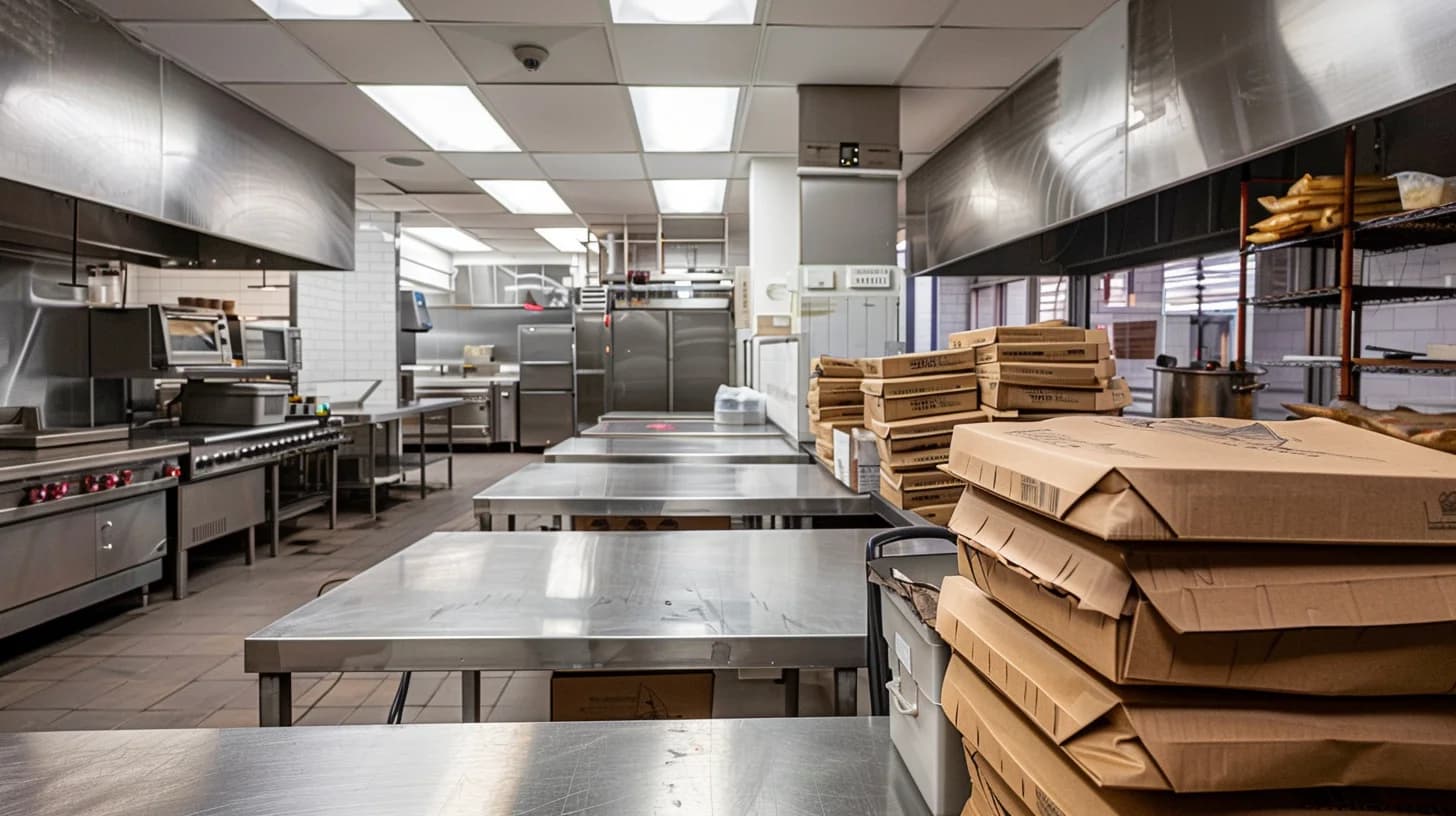
Complete Ghost Kitchen Setup Guide for Restaurants in Asia
The restaurant industry in Asia has undergone a massive transformation in recent years, with ghost kitchens emerging as one of the most profitable business models for food entrepreneurs and established restaurants alike. Whether you're looking to expand your delivery capabilities or start fresh with a delivery-only concept, this comprehensive guide will walk you through everything you need to know about setting up a ghost kitchen in Asia.
What is a Ghost Kitchen?
A ghost kitchen, also known as a dark kitchen or cloud kitchen, is a professional food preparation and cooking facility that exists solely to fulfill delivery orders. Unlike traditional restaurants, ghost kitchens don't have a dine-in area or storefront, which significantly reduces overhead costs and allows operators to focus entirely on delivery logistics and food quality.
In the Asian context, ghost kitchens have become particularly popular due to:
- High delivery demand: Platforms like GrabFood, Gojek, Foodpanda, and Uber Eats dominate the food delivery market across Southeast Asia and beyond.
- Lower entry barriers: Starting a ghost kitchen requires significantly less capital than a traditional restaurant.
- Flexible operations: Operators can run multiple brands from a single kitchen, testing different cuisines and menus.
- Tech-savvy consumers: Asian consumers are highly comfortable ordering food through mobile apps.
Planning Your Ghost Kitchen
1. Choose Your Business Model
Before diving into setup, determine which ghost kitchen model fits your goals:
- Single-brand operation: One restaurant concept focused exclusively on delivery
- Multi-brand kitchen: Running 2-3 different restaurant concepts from the same facility to maximize kitchen utilization and reach different customer segments
- Cloud kitchen expansion: An existing restaurant adding a delivery-only concept to the same kitchen
- Commercial kitchen rental: Renting kitchen space during off-peak hours to test new concepts
2. Select Your Location
Location is critical for ghost kitchen success. Consider these factors:
- Proximity to delivery hubs: Choose locations with easy access to major roads and highways
- Delivery radius coverage: Ensure you can reach your target customers within optimal delivery time (15-30 minutes)
- Lease costs: Ghost kitchens can operate in smaller spaces (200-500 sq ft), making industrial areas and mixed-use developments cost-effective options
- Infrastructure: Adequate electrical capacity, gas connections, and ventilation are non-negotiable
3. Calculate Your Investment
Here's a breakdown of typical ghost kitchen setup costs in Asia:
| Item | Cost Range (USD) |
|---|---|
| Kitchen equipment (ovens, fridges, fryers) | $5,000 - $25,000 |
| Packaging and supplies | $500 - $2,000 |
| POS system and software | $200 - $500/month |
| Initial inventory | $1,000 - $5,000 |
| Licensing and permits | $500 - $3,000 |
| Marketing (first month) | $500 - $2,000 |
| Total startup costs | $8,000 - $40,000 |
Essential Equipment for Your Ghost Kitchen
Equipment needs vary by cuisine, but here are the essentials:
- Cooking equipment: Commercial oven (convection or deck), stovetop, fryer, grill
- Storage: Walk-in or reach-in refrigerator, freezer, dry storage shelving
- Food preparation: Prep tables, cutting boards, commercial mixers
- POS hardware: Tablet or computer, receipt printer, label printer
- Packaging station: Heat lamps, packing tables, storage for containers
- Safety equipment: Fire extinguishers, first aid kit, grease traps
Delivery Platform Integration
One of the most critical decisions for any ghost kitchen in Asia is which delivery platforms to partner with. Here's a market-by-market breakdown:
Southeast Asia
- GrabFood: Dominant in Singapore, Malaysia, Thailand, Philippines, Indonesia, Vietnam
- Foodpanda: Strong presence across all SEA markets (owned by Grab)
- Gojek: Major player in Indonesia and Vietnam
- ShopeeFood: Growing rapidly in Singapore, Malaysia, Thailand, Indonesia
- Baemin: Leading platform in South Korea
East Asia
- Uber Eats: Available in Japan, Hong Kong, Taiwan
- DoorDash: Expanding in Japan
- Demae-can: Traditional leader in Japan
- Foodpanda: Active in Hong Kong, Taiwan
Managing Multiple Platforms
The key challenge is managing orders from multiple platforms simultaneously. An order aggregation system is essential:
- Centralized dashboard showing all orders in one place
- Automatic menu sync across all platforms
- Real-time inventory updates to prevent overselling
- Unified reporting and analytics
- Automated routing to kitchen display systems
Klikit offers order aggregation that integrates with all major delivery platforms, allowing ghost kitchen operators to manage orders from a single interface.
Menu Development for Ghost Kitchens
Menu design is crucial for ghost kitchen success. Consider these principles:
1. Optimize for Delivery
- Items that travel well: Focus on dishes that maintain quality during delivery (30-45 minutes)
- Packaging-friendly: Avoid items that get soggy or lose texture
- Consistent quality: Recipes must produce identical results every time
- Streamlined menu: 15-25 items maximum for operational efficiency
2. Food Cost Management
Target food costs of 25-35% for sustainable operations:
- Use versatile ingredients across multiple dishes
- Price items based on food cost percentage, not just competitors
- Monitor popular items weekly for cost fluctuations
- Consider premium pricing for delivery-specific convenience
3. Menu Engineering
Structure your menu with:
- Signature dishes (20% of menu): Unique items that differentiate your brand
- High-margin items (30% of menu): Your profit drivers
- Filler items (50% of menu): Familiar options that drive traffic
Technology Stack for Ghost Kitchens
Running a ghost kitchen requires the right technology infrastructure:
Order Management System (OMS)
An OMS is the backbone of any ghost kitchen operation. Key features to look for:
- Multi-platform order aggregation
- Kitchen display system (KDS) integration
- Real-time inventory management
- Customer data and order history
- Analytics and reporting
Point of Sale (POS)
Your POS should integrate seamlessly with delivery platforms. Modern cloud-based POS systems offer:
- Menu management across all platforms
- Real-time sales tracking
- Staff management and reporting
- Financial reporting and tax compliance
Kitchen Display System (KDS)
A KDS replaces paper tickets and helps kitchen staff manage orders efficiently:
- Digital ticket display with order details
- Timing alerts for SLA management
- Item-level completion tracking
- Performance analytics
Compliance and Licensing
Each Asian market has specific regulations for food businesses:
Singapore
- Food shop license from SFA
- Food handler certification for staff
- Halal certification (if applicable)
- Fire safety certification
Indonesia
- SIUP (Business License)
- TDP (Company Registration)
- Halal certification (if applicable)
- Health permits for food handlers
Philippines
- Mayor's Permit / Business Permit
- Sanitary Permit from LGU
- FDA registration (for processed foods)
- BIR registration
Malaysia
- Business license from local council
- Halal certification (if applicable)
- Food handler training
- Fire safety compliance
Thailand
- Food shop license
- Food handler health certificate
- Business registration
- Fire safety certificate
Marketing Your Ghost Kitchen
Without a physical storefront, your digital presence is everything:
1. Platform Optimization
- Professional food photography (invest in this!)
- Keyword-optimized menu descriptions
- Promotions and discounts for new customers
- Respond to reviews promptly
- Leverage platform advertising features
2. Brand Building
- Distinctive packaging that reinforces branding
- Thank-you cards or small surprises in orders
- Consistent social media presence
- Customer loyalty programs
3. Marketing Channels
- Social media advertising (Facebook, Instagram, TikTok)
- Influencer partnerships for local reach
- Email/SMS marketing to repeat customers
- Own website with online ordering (reduces commission)
Common Mistakes to Avoid
Learn from operators who came before you:
- Spreading too thin: Don't try to be on every platform immediately. Start with 1-2 and master them.
- Ignoring reviews: Response to reviews directly impacts your visibility on platforms.
- Poor packaging: Packaging is part of the customer experience and affects reviews.
- Underpricing: Factor in all platform commissions (15-30%) when setting prices.
- Neglecting own channels: Relying solely on delivery platforms is risky. Build direct customer relationships.
- Inadequate prep systems: Prep workflows directly impact order speed and quality.
Growth Strategies
Once your ghost kitchen is established, consider these expansion paths:
- Add additional brands: Test new cuisines with minimal incremental cost
- Geographic expansion: Open second location in new delivery zone
- Ghost kitchen franchising: Replicate your model in new markets
- Vertical integration: Expand into food production, packaging, or supply chain
- Brand partnerships: Partner with delivery platforms for exclusive promotions
Conclusion
Ghost kitchens represent a significant opportunity in Asia's evolving restaurant landscape. With lower overhead costs, flexibility in operations, and the continued growth of food delivery platforms, the ghost kitchen model offers entrepreneurs and established restaurants a pathway to profitability and expansion.
Success in the ghost kitchen business requires careful planning, the right technology infrastructure, and a relentless focus on operational excellence. By following this guide and continuously adapting to market feedback, you can build a sustainable and scalable delivery-focused restaurant business in Asia.
Ready to start your ghost kitchen journey? Book a demo with Klikit to see how our integrated order management and POS system can help you manage multiple delivery platforms from a single dashboard.