

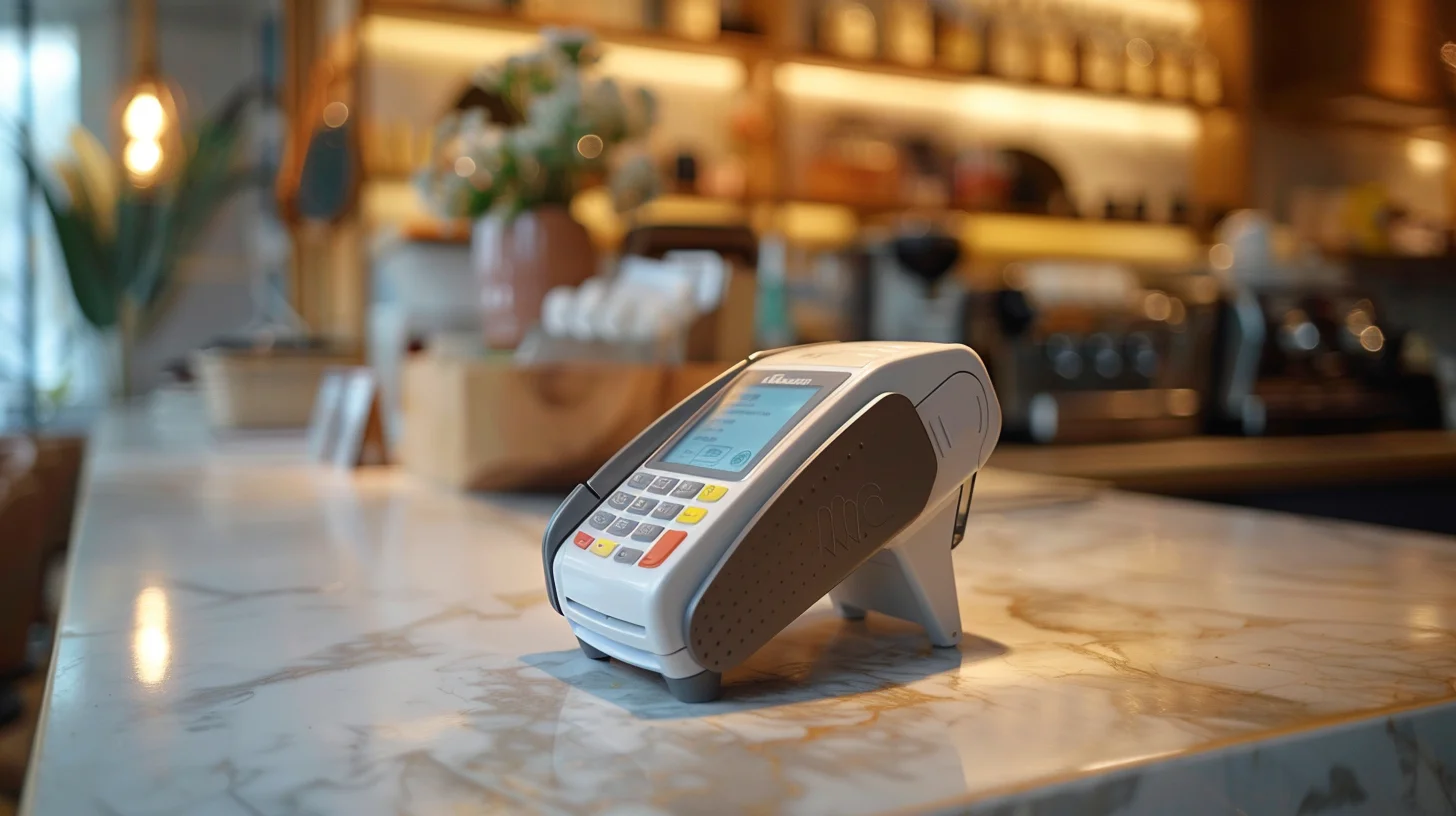
QRPh untuk Restoran di Filipina: Panduan Lengkap 2026
QRPh telah menjadi piawaian kebangsaan untuk pembayaran QR di seluruh Filipina, dengan jutaan rakyat Filipina menggunakannya setiap hari di restoran, kafe dan gerai makanan. Bagi pengusaha F&B, menerima QRPh kini merupakan satu keperluan—bukan lagi pilihan—untuk kekal berdaya saing pada tahun 2026.
Apa Itu QRPh?
QRPh ialah piawaian pembayaran QR kebangsaan Filipina, yang dilancarkan oleh Bangko Sentral ng Pilipinas (BSP) di bawah National QR Code Standard (NQRCS). Ia membolehkan pelanggan mengimbas satu kod QR menggunakan mana-mana aplikasi bank atau e-dompet yang mengambil bahagian—GCash, Maya, BPI, BDO, UnionBank, Metrobank, dan berpuluh-puluh lagi—untuk membayar serta-merta.
Tidak seperti sistem QR proprietari yang mengunci anda kepada satu penyedia, QRPh bersifat saling kendali. Satu kod QR menerima pembayaran daripada GCash, Maya, dan aplikasi perbankan utama. Tiada lagi pelekat berasingan untuk setiap penyedia.
Mengapa Restoran Filipina Memerlukan QRPh
Pengguna Filipina telah menerima pembayaran tanpa tunai pada kadar yang belum pernah berlaku sebelum ini. Pasca-pandemik, lebih 70% pengunjung bandar lebih suka membayar melalui kod QR. Untuk restoran, QRPh menyediakan:
- Penerimaan universal - Satu kod QR berfungsi dengan GCash, Maya, dan semua aplikasi bank utama
- Yuran lebih rendah - Biasanya 1.0-1.5% setiap transaksi berbanding 2-3% untuk pembayaran kad
- Penyelesaian segera - Dana tersedia pada hari yang sama atau keesokan harinya
- Tiada pelaburan perkakasan - Cetak pelekat QR; tiada terminal diperlukan
- Keselamatan disokong BSP - Dikawal selia oleh bank pusat
Cara Menyediakan QRPh untuk Restoran Anda
Langkah 1: Pilih Penyedia QRPh
Anda mempunyai tiga pilihan utama untuk menerima QRPh:
- Bank langsung - BPI, BDO, UnionBank, Metrobank menawarkan akaun pedagang QRPh
- Penyedia e-dompet - GCash dan Maya kedua-duanya mengeluarkan kod patuh QRPh
- Penyelesaian bersepadu POS - Klikit dan platform POS restoran lain membenamkan QRPh terus ke dalam sistem mereka
Langkah 2: Kemukakan Keperluan Perniagaan
Penyedia biasanya memerlukan:
- Pendaftaran perniagaan DTI atau SEC
- Sijil Pendaftaran (COR) BIR
- Kad pengenalan sah kerajaan pemilik
- Akaun bank perniagaan untuk penyelesaian
- Bukti alamat perniagaan (bil utiliti atau pajakan)
Tempoh kelulusan adalah antara 3 hingga 10 hari bekerja bergantung kepada penyedia.
Langkah 3: Jana dan Paparkan Kod QRPh Anda
Setelah diluluskan, penyedia anda menjana kod QRPh statik atau dinamik. Kod statik adalah percuma dan dicetak pada pelekat. Kod dinamik bersepadu dengan POS anda dan menjana kod unik setiap transaksi—sesuai untuk restoran yang menjejaki pesanan.
Paparkan QRPh anda dengan jelas di:
- Kaunter juruwang
- Khemah meja atau pelekat meja
- Resit dan invois
- Halaman pembayaran pesanan dalam talian
Yuran QRPh untuk Restoran Filipina
Yuran transaksi berbeza mengikut jenis penyedia:
| Jenis Penyedia | Kadar Diskaun Pedagang | Masa Penyelesaian |
|---|---|---|
| QRPh bank langsung | 0.5-1.0% | Hari yang sama |
| E-dompet (GCash/Maya) | 1.5-2.0% | Keesokan hari |
| QRPh bersepadu POS | 1.0-1.5% | Hari yang sama |
Sesetengah penyedia mengetepikan yuran untuk ₱100,000 pertama dalam transaksi bulanan. Sentiasa rundingkan kadar jika anda memproses volum yang tinggi.
Mengintegrasikan QRPh dengan POS Restoran Anda
Sistem POS restoran moden seperti Klikit menawarkan penerimaan QRPh terbina dalam. Apabila pelanggan mengimbas dan membayar, transaksi direkodkan secara automatik dalam POS anda—tiada penyesuaian manual diperlukan.
Faedah Integrasi POS
- Rekod jualan automatik dengan butiran pesanan
- Penyesuaian masa nyata pembayaran dalam talian dan di kedai
- Pelaporan akhir hari dengan pecahan jenis pembayaran
- Penyelesaian bersatu ke satu akaun perniagaan
QRPh vs Kaedah Pembayaran Tradisional
| Kaedah | Yuran | Kos Persediaan | Penyelesaian |
|---|---|---|---|
| Tunai | 0% | Tiada | Serta-merta |
| QRPh | 0.5-2.0% | Tiada | Hari sama/Keesokan |
| Kad Kredit/Debit | 2.5-3.5% | Sewaan terminal | T+2 hingga T+3 |
| E-dompet (bukan QRPh) | 1.5-2.5% | Tiada | Keesokan hari |
Amalan Terbaik untuk Penerimaan QRPh
- Latih kakitangan anda - Pastikan juruwang tahu cara mengesahkan pembayaran berjaya sebelum melepaskan pesanan
- Paparkan papan tanda yang jelas - Gunakan pelekat "QRPh Diterima Di Sini" di pintu masuk dan kaunter
- Tawarkan resit - Walaupun untuk pembayaran QR, sediakan bukti transaksi melalui SMS atau e-mel
- Pantau penyelesaian setiap hari - Selaraskan transaksi QRPh dengan laporan jualan POS anda
- Sediakan sandaran - Gangguan internet boleh mengganggu pembayaran QR; simpan tunai sebagai pelan kontingensi
Isu Lazim dan Penyelesaian
Pembayaran Tidak Dicerminkan
Jika pelanggan menunjukkan pembayaran berjaya tetapi ia tidak muncul dalam sistem anda, semak papan pemuka penyedia anda terlebih dahulu. Transaksi QRPh mungkin mengambil masa 30-60 saat untuk diselesaikan. Untuk persediaan bersepadu POS, sahkan sambungan internet anda.
Keserasian Aplikasi Pelanggan
Semua aplikasi perbankan utama Filipina dan GCash/Maya menyokong QRPh, tetapi sesetengah versi aplikasi lama tidak. Minta pelanggan mengemas kini aplikasi mereka jika pengimbasan gagal.
Pemprosesan Bayaran Balik
Bayaran balik QRPh mesti dimulakan melalui penyedia pembayaran anda. Kebanyakan bank dan e-dompet memproses bayaran balik dalam masa 1-3 hari bekerja. Dokumentasikan polisi bayaran balik dengan jelas pada menu atau resit.
Pematuhan Kawal Selia
QRPh dikawal selia oleh BSP. Pastikan penyedia anda ialah entiti yang diselia oleh BSP. Untuk pematuhan BIR, transaksi QRPh mesti direkodkan dalam POS anda dan diisytiharkan dalam jualan anda. Sesetengah sistem POS menjana resit patuh BIR secara automatik untuk pembayaran QRPh—sahkan keupayaan ini jika kesiapsiagaan audit BIR penting untuk perniagaan anda.
Kesimpulan
QRPh ialah masa depan pembayaran tanpa tunai untuk restoran Filipina. Dengan yuran rendah, penerimaan pelanggan yang meluas, dan kos perkakasan sifar, ia mengatasi pembayaran kad tradisional dari segi kos dan kemudahan. Untuk rantaian pelbagai lokasi dan jenama F&B yang sedang berkembang, mengintegrasikan QRPh ke dalam sistem POS anda menyelaraskan operasi, menambah baik aliran tunai, dan memenuhi jangkaan pelanggan.
Bersedia untuk menerima QRPh di restoran anda? Cari sistem POS dengan integrasi QRPh asli untuk menghapuskan penyesuaian manual dan mempercepatkan pembayaran.