

How to Set Up a Ghost Kitchen in the USA (2026)
The ghost kitchen phenomenon has transformed the restaurant industry in the USA. With delivery platform demand at an all-time high and commercial real estate costs rising, more entrepreneurs are choosing to operate delivery-only kitchens. If you're planning to launch a ghost kitchen in 2026, this comprehensive guide covers everything you need to know—from legal requirements to technology stack selection.
What Is a Ghost Kitchen?
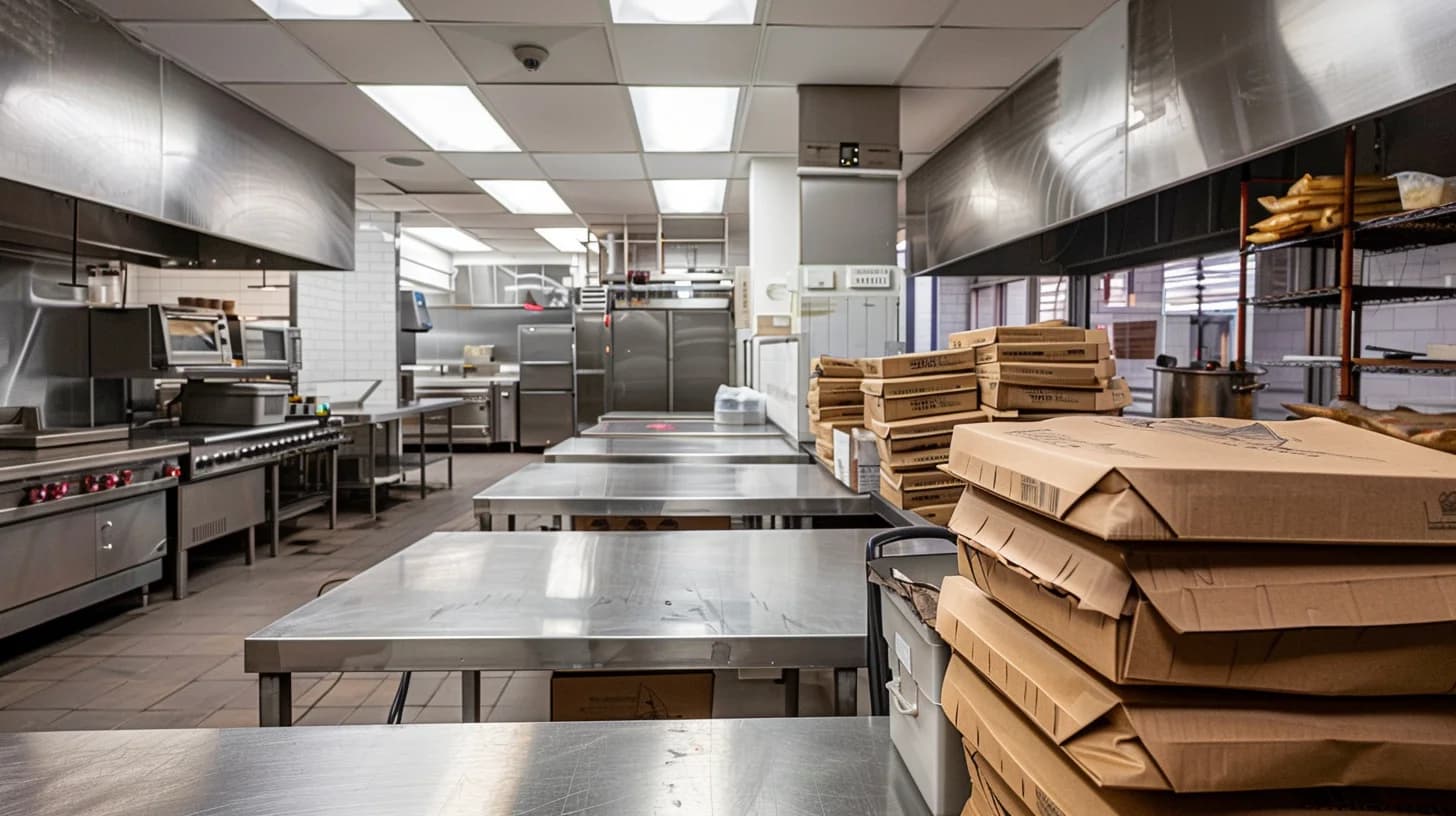
A ghost kitchen (also called a dark kitchen or cloud kitchen) is a commercial cooking facility designed exclusively for delivery orders. Unlike traditional restaurants, ghost kitchens have no dine-in area, no storefront, and no walk-in customers. Every order comes through digital channels: DoorDash, Uber Eats, Grubhub, or direct online orders.
The ghost kitchen model offers several advantages:
- Lower startup costs — No need for expensive dining room furniture, decor, or prime real estate
- Flexibility — Run multiple virtual brands from one kitchen
- Lower ongoing expenses — No front-of-house staff, reduced utility costs
- Scalability — Easier to expand to new locations
Step 1: Choose Your Ghost Kitchen Model
Before diving into setup, determine which ghost kitchen model fits your goals:
Single Brand Ghost Kitchen
You operate one restaurant brand exclusively. This is the simplest approach and works well if you have a strong culinary concept that translates to delivery.
Multi-Brand Ghost Kitchen
You run 2-5 different virtual restaurant brands from the same kitchen. This maximizes kitchen utilization and allows you to test different concepts. For example, you could run a taco brand, a burger brand, and a healthy salad brand simultaneously.
Cloud Kitchen Franchise
You operate an established ghost kitchen brand with proven recipes, marketing, and systems. This reduces risk but comes with franchise fees and less creative control.
Shared Kitchen / Commissary
You rent space in a shared commercial kitchen on a part-time basis. This minimizes upfront investment but limits operational flexibility.
Step 2: Legal Requirements and Licensing
Operating a ghost kitchen in the USA requires several licenses and permits. Requirements vary by state and municipality, but here's what's typically needed:
Business Licenses
- Business license — Register your business (LLC, corporation, or sole proprietorship)
- Employer Identification Number (EIN) — Required for hiring employees and opening business bank accounts
- Sales tax permit — Required to collect and remit sales tax on taxable goods
Food Safety Permits
- Food handler's permit — Required for anyone handling food
- ServSafe certification — Most jurisdictions require at least one certified food protection manager
- Commercial kitchen inspection — Your facility must pass health department inspection
Food Delivery Platform Compliance
Each delivery platform has its own requirements:
- DoorDash — Requires business license, food safety certification, and bank account verification
- Uber Eats — Similar requirements plus vehicle insurance if offering delivery
- Grubhub — Business verification and menu approval process
Step 3: Find the Right Location
Location is critical for ghost kitchens, though your priorities differ from traditional restaurants:
Key Location Factors
- Delivery radius coverage — Ensure you can reach your target customers within 3-5 mile radius
- Commercial kitchen space — Look for kitchen-equipped spaces in commercial zones
- Ventilation requirements — Hood systems must meet local codes
- Parking access — Easy access for delivery driver pickups
- Cost efficiency — Prioritize value over foot traffic
Average Costs
Ghost kitchen space costs vary significantly by market:
- Secondary markets — $1,500-3,000/month for shared kitchen space
- Primary markets — $3,000-6,000/month for dedicated kitchen space
- Shared commissary — $500-1,500/month for part-time access
Step 4: Equipment Essentials
Your equipment needs depend on your menu, but here's a typical ghost kitchen setup:
Cooking Equipment
- Commercial range or convection oven
- Deep fryer (if fried foods)
- Food warmer holding cabinets
- Commercial microwave (for quick reheating)
- Prep tables and stainless steel workstations
- Commercial refrigerator and freezer storage
Packaging Equipment
- Heat retention bags
- Insulated delivery bags
- Tamper-evident packaging
- Label printer (for delivery platform orders)
Kitchen Display System
A KDS (Kitchen Display System) is essential for managing multiple delivery platform orders efficiently. The best ghost kitchen software integrates directly with your KDS.
Step 5: Choose Your Delivery Platforms
DoorDash, Uber Eats, and Grubhub dominate the USA market. Here's how to optimize your platform strategy:
Market Share (2026)
- DoorDash — Approximately 65% of US food delivery market
- Uber Eats — Approximately 23% of US food delivery market
- Grubhub — Approximately 7% of US food delivery market
- Other platforms — 5% (regional platforms, direct ordering)
Commission Rates
- DoorDash — 15-30% depending on subscription tier
- Uber Eats — 15-30% depending on subscription tier
- Grubhub — 15-35% depending on tier
Recommended Strategy
Start with DoorDash (largest reach) and Uber Eats. Add Grubhub once you're established. Consider direct ordering on your website to reduce commission fees.
Step 6: Select Ghost Kitchen Software
The right software consolidates orders from all platforms, streamlines operations, and provides analytics. Here's what to look for:
Must-Have Features
- Order aggregation — All delivery orders on one screen
- Menu synchronization — Update menu once, reflects everywhere
- Kitchen display system — Digital ticket display for kitchen staff
- Inventory management — Track stock levels and auto-sold-out items
- Multi-brand support — Run multiple virtual restaurants
- Reporting and analytics — Track performance across platforms
Top Ghost Kitchen Software Options
Klikit — All-in-one platform with order aggregation, KDS, and multi-brand support. Contact klikit for pricing.
Lunchbox — Purpose-built for ghost kitchens with marketing tools. Custom pricing.
Square for Restaurants — $60/month with ghost kitchen mode, best for those already in Square ecosystem.
Toast — $69/month, comprehensive features but higher cost.
Step 7: Build Your Menu
Menu engineering is critical for ghost kitchen success. Delivery-only operations require different considerations:
Delivery-Friendly Items
- Travel well — Foods that maintain quality during delivery transit (30-45 minutes)
- Easy to package — Items that transport without spilling or getting soggy
- Consistent quality — Dishes that taste the same every time
Menu Optimization Tips
- Limit items — 15-25 items is optimal for kitchen efficiency
- Cross-utilize ingredients — Reduce inventory complexity
- Bundle combos — Increase average order value
- Prioritize high-margin items — Account for 25-30% commission fees
Step 8: Launch and Optimize
Soft Launch
Start with a limited menu and focus on one platform initially. Test operations, refine recipes, and perfect packaging before expanding.
Marketing Your Ghost Kitchen
- Platform advertising — Use DoorDash and Uber Eats advertising options
- Social media — Build brand awareness on Instagram, TikTok
- Direct ordering — Incentivize direct orders to save commissions
- Reviews management — Proactively request reviews from satisfied customers
Key Metrics to Track
- Order volume — Daily and weekly order counts
- Average order value — Revenue per order
- Platform commission — Total fees paid
- Customer rating — Platform ratings and reviews
- Fulfillment time — Order to pickup duration
Conclusion
Setting up a ghost kitchen in the USA in 2026 requires careful planning, but the opportunity is significant. By following this guide—choosing the right model, securing proper licenses, selecting optimal location and equipment, and implementing the right software—you'll be well-positioned for success in the growing ghost kitchen industry.
For ghost kitchen operators seeking to streamline operations across multiple delivery platforms, Klikit offers an all-in-one solution that consolidates orders, automates menu sync, and provides the analytics you need to optimize profitability.
Ready to launch your ghost kitchen? Book a demo with Klikit to see how our platform can help you manage orders from DoorDash, Uber Eats, and Grubhub from a single screen.