

How to Set Up a Cloud Kitchen in Japan (2026)
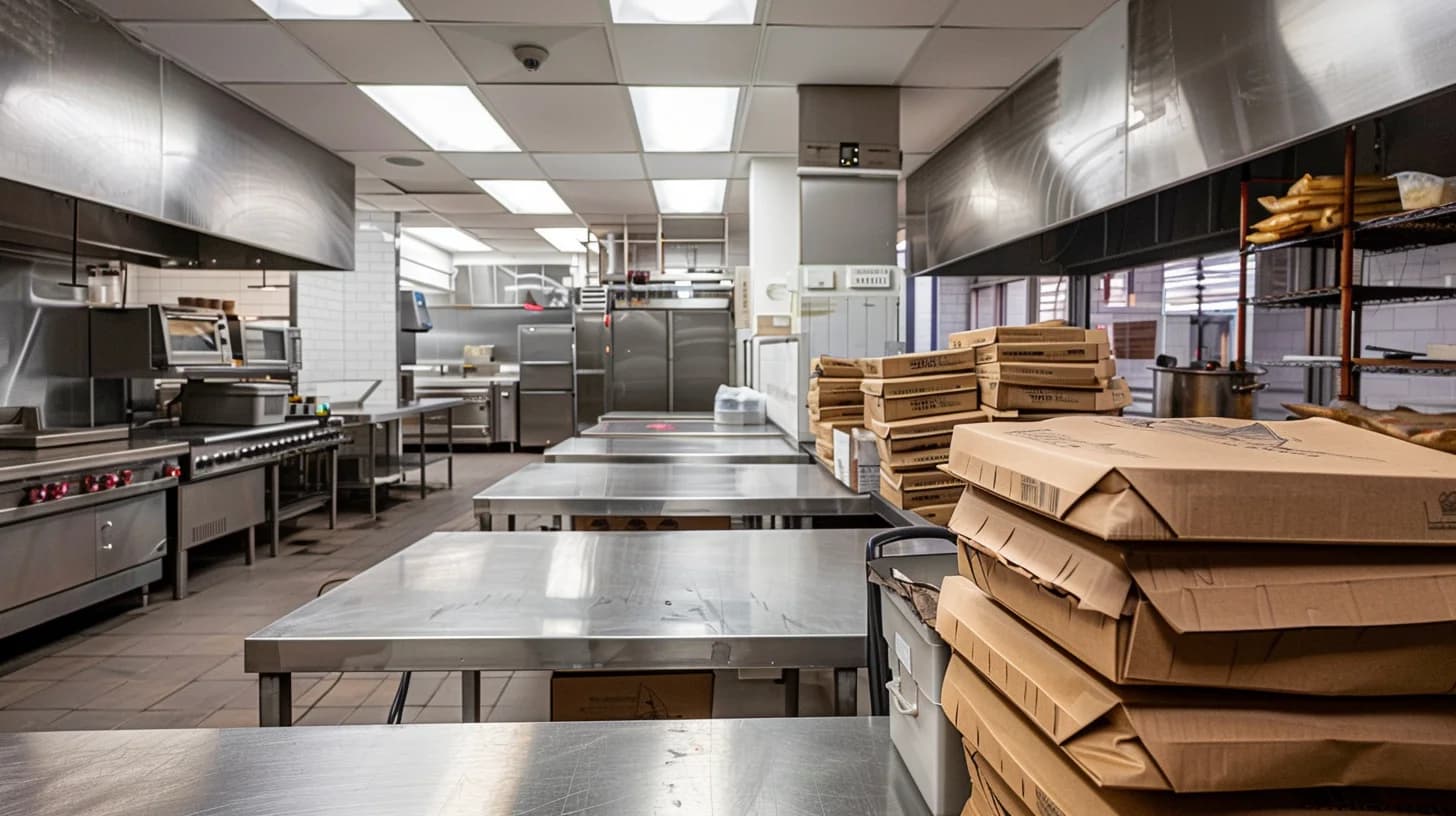
A cloud kitchen—also known as a ghost kitchen or dark kitchen—is a commercial kitchen space designed exclusively for delivery-focused food production. Unlike traditional restaurants, cloud kitchens don't have dine-in facilities, which significantly reduces real estate costs and operational overhead.
Japan presents a particularly compelling opportunity for cloud kitchens. The country's mature delivery culture, high density of apartment living, and increasing demand for convenient food options create ideal conditions. This guide walks you through every step of launching a cloud kitchen in Japan in 2026.
What is a Cloud Kitchen?
A cloud kitchen operates solely for delivery orders, preparing food for pickup by delivery riders from platforms like Uber Eats, Demae-can (出前館), and Wolt. The model eliminates the cost of front-of-house staff, interior dining space, and premium real estate locations.
Why Japan is Ideal for Cloud Kitchens:
- Delivery Culture: Japanese consumers are accustomed to ordering food for delivery and takeout (torihikidome), with services like Demae-can operating since 1999
- Labor Economics: Staff shortages in the food service industry make the lean cloud kitchen model attractive
- Real Estate: Compact commercial spaces in Tokyo and Osaka can be converted into efficient production kitchens at a fraction of restaurant costs
- Platform Infrastructure: Multiple established delivery platforms mean established customer acquisition channels
Legal & Regulatory Requirements
Operating a food business in Japan requires compliance with several regulatory frameworks:
Business License Requirements:
- 食品営業許可 (Food Business Permit): Required from your local health center (保健所). Application takes 2-4 weeks
- Kitchen Standards: Your facility must meet requirements for sink placement, ventilation, flooring, and equipment sanitation
- Fire Safety: Commercial kitchen equipment requires proper fire suppression and ventilation systems
Food Safety Certifications:
- Staff must hold valid food handler certifications (食品衛生責任者)
- Regular health inspections by the local health center
- Temperature logging and food storage documentation
Business Registration:
- Register your business with the Legal Affairs Bureau (法務局) if forming a corporation
- Obtain an invoice registration number (適格請求書発行事業者登録番号) for Japan's invoice system (インボイス)
- Register with local tax authorities for consumption tax (消費税) obligations
Choosing Your Location
Location selection dramatically impacts your cloud kitchen's success. Consider these factors:
Tokyo vs Osaka vs Other Cities:
- Tokyo: Highest delivery volume, but competition is intense. Areas like Shibuya, Shinjuku, and Ikebukuro have strong demand but higher rent
- Osaka: Growing delivery market with slightly lower competition. Strong local food culture
- Other Cities: Fukuoka, Nagoya, and Sapporo offer opportunities in underserved markets
Space Considerations:
- Commercial Kitchen vs Retail Conversion: Former restaurant spaces come with existing kitchen infrastructure, reducing setup costs
- Size: A functional cloud kitchen typically requires 20-50 square meters
- Rent: Expect ¥150,000-¥500,000 monthly for commercial kitchen space in major metro areas
Essential Equipment
Your equipment investment depends on your menu, but here's a baseline list:
Cooking Equipment:
- Commercial stove and oven (都市ガス or propane)
- Deep fryer
- Refrigerated and frozen storage
- Food preparation tables
- Commercial microwave
Packaging and Branding:
- Delivery-appropriate containers (耐熱・耐水)
- Branded stickers and labels
- Insulated delivery bags
POS and Technology:
- POS system with delivery platform integration (Klikit connects to Uber Eats, Demae-can, Wolt, and more)
- Tablet for order receiving
- Receipt printer
- Label printer for delivery tickets
Delivery Platform Integration
Multi-platform presence maximizes your reach. Here's how to set up with major Japanese delivery services:
Uber Eats Japan:
- Apply through Uber Eats Restaurant Hub
- Verification typically takes 1-2 weeks
- Commission: approximately 30% per order
Demae-can (出前館):
- One of Japan's oldest delivery platforms Strong with corporate lunch orders
- Commission: approximately 25-30%
Wolt:
- Growing platform, particularly in Tokyo and Osaka
- Commission: approximately 30%
Multi-Platform Order Management:
Managing multiple delivery platforms simultaneously is challenging without the right tools. A unified POS system like Klikit aggregates orders from all platforms into a single kitchen display, reducing errors and improving efficiency. This is particularly valuable as you scale across multiple delivery apps.
Menu Development for Delivery
Not all dishes travel well. Consider these factors:
Items That Travel Well:
- Ramen, udon, and soba (with broth packaged separately if needed)
- Curry and donburi (rice bowls)
- Bento-style meals
- Fried foods (tempura, karaage) —做好后即食, delivered quickly
- Curry and stews in portioned containers
Pricing for Profit:
- Factor in platform commissions (25-30%)
- Account for delivery fees
- Build in packaging costs
- Research competitor pricing on each platform
Marketing Your Cloud Kitchen
Social Media Presence:
- Instagram and Twitter (X) are essential for Japanese food businesses
- Post high-quality food photos regularly
- Use relevant hashtags (#クラウドキッチン #UberEats #出前館)
Platform Advertising:
- Uber Eats offers in-app advertising options
- Demae-can has promotional features for featured restaurants
- Consider promotions to build initial reviews
Customer Retention:
- Loyalty programs through each platform
- Thank-you cards with orders
- Exclusive menu items for repeat customers
Financial Projection Template
Startup Costs (Estimated):
- Kitchen equipment: ¥1,000,000 - ¥3,000,000
- Renovation and setup: ¥500,000 - ¥2,000,000
- Licensing and permits: ¥100,000 - ¥300,000
- Initial inventory and packaging: ¥200,000 - ¥500,000
- Marketing launch budget: ¥100,000 - ¥300,000
- Total Startup: ¥1,900,000 - ¥6,100,000
Monthly Operating Costs:
- Rent: ¥150,000 - ¥500,000
- Utilities (electricity, gas, water): ¥30,000 - ¥80,000
- Staff (1-2 cooks): ¥250,000 - ¥400,000
- Platform commissions: Variable (typically 25-30% of sales)
- POS and technology: ¥5,000 - ¥20,000
- Monthly Operating: ¥435,000 - ¥1,000,000+
Break-Even Analysis:
With an average order value of ¥1,500 and 30% platform commission, your net per order is approximately ¥1,050. To cover ¥500,000 in monthly costs, you need approximately 476 orders per month—or about 16 orders per day.
Ready to Launch?
Setting up a cloud kitchen in Japan requires careful planning, but the opportunity is significant. By starting with the right permits, location, equipment, and delivery platform integrations, you can build a profitable delivery-focused food business.
Klikit helps cloud kitchen operators manage orders from multiple delivery platforms—Uber Eats, Demae-can, Wolt, and more—through a single unified system. Learn more about Klikit's restaurant POS features or explore our delivery platform integrations.