Cloud Kitchen Singapore: The Complete 2026 Guide
The restaurant industry in Singapore is undergoing a fundamental shift. Cloud kitchens — also known as ghost kitchens or virtual restaurants — have emerged as one of the most viable business models for food entrepreneurs in 2026. With lower overhead costs, flexible operations, and the ability to test multiple brands from a single location, cloud kitchens represent a lower-risk entry point into the food business compared to traditional dine-in restaurants.
This comprehensive guide covers everything you need to know about launching and operating a successful cloud kitchen in Singapore: from legal requirements and location selection to delivery platform integration and profitability optimization.
What is a Cloud Kitchen?
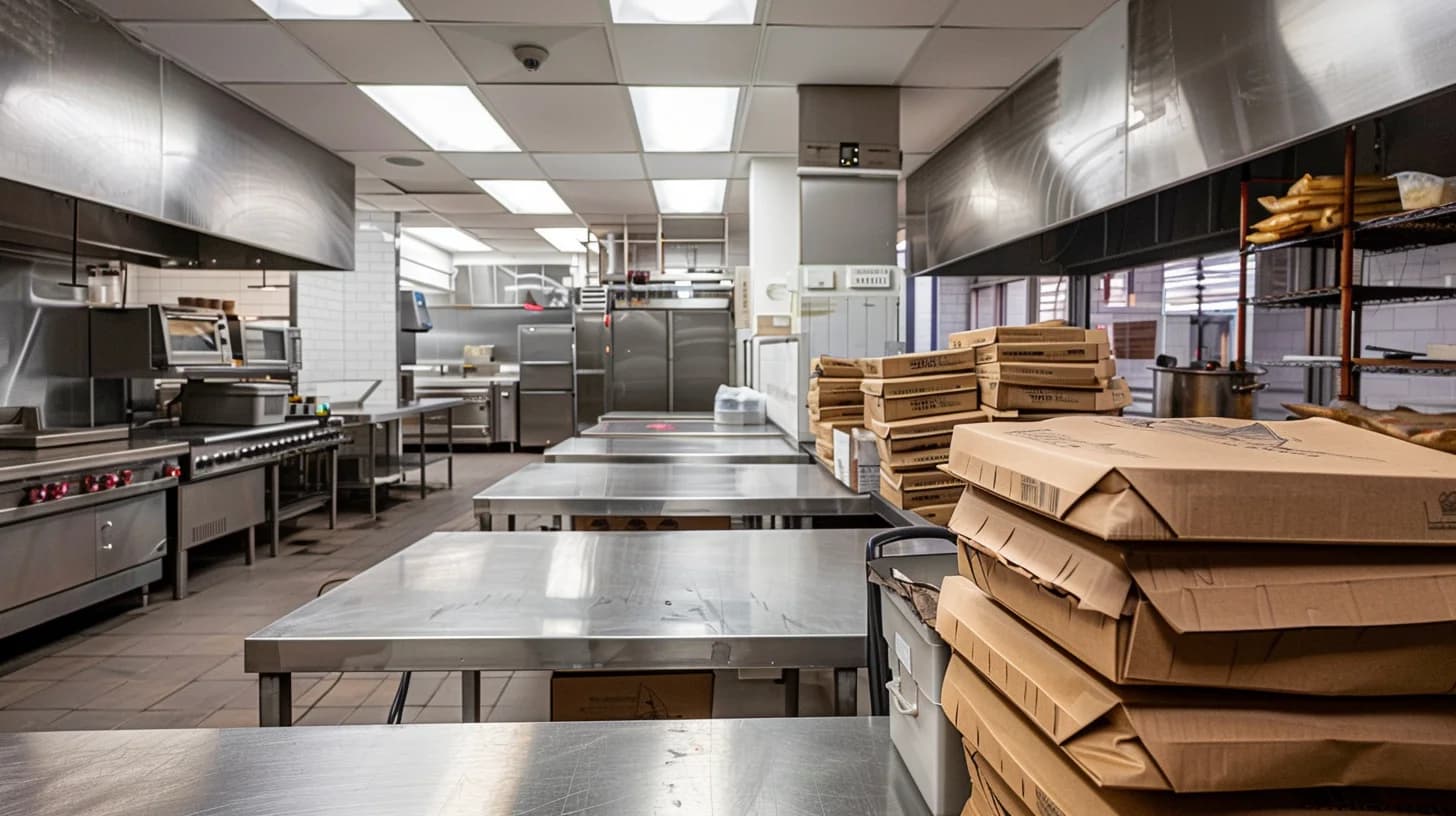
A cloud kitchen (also called a ghost kitchen or dark kitchen) is a commercial kitchen facility designed specifically for preparing delivery-only food orders. Unlike traditional restaurants, cloud kitchens do not have a dine-in area or storefront — customers order exclusively through delivery platforms, and food is prepared for pickup or delivery.
The model gained significant traction in Singapore during and after the COVID-19 pandemic, as consumers increasingly ordered food online and restaurants sought ways to reduce overhead costs. In 2026, Singapore hosts one of the most concentrated cloud kitchen markets in Southeast Asia, with hundreds of operators ranging from single-brand kitchens to multi-brand operations running five or more virtual restaurant concepts from a single facility.
Why Cloud Kitchens Work in Singapore
Several factors make Singapore particularly well-suited for cloud kitchen operations:
- High delivery adoption: Singaporeans order food delivery more frequently than almost anywhere else in the world, with the average household ordering 2-3 times per week.
- Strong delivery infrastructure: GrabFood, Foodpanda, and Deliveroo operate extensive networks across the island, ensuring fast and reliable delivery.
- Limited retail space: Singapore's high retail rents make the low-overhead cloud kitchen model particularly attractive.
- Tech-savvy consumers: Singaporean customers are comfortable ordering through apps and expect seamless digital experiences.
- Regulatory clarity: The Singapore Food Agency (SFA) has established clear guidelines for cloud kitchen operations.
Legal Requirements for Cloud Kitchens in Singapore
Before launching your cloud kitchen, ensure you meet all regulatory requirements:
Business Registration
You must register your business with the Accounting and Corporate Regulatory Authority (ACRA). Most cloud kitchen operators register as a private limited company (Pte Ltd), which provides liability protection and credibility with landlords and partners.
Food Shop License from SFA
Your cloud kitchen requires a food shop license from the Singapore Food Agency. The application process includes:
- Submission of floor plans and equipment layout
- Proof of food handler training for all staff
- Sanitation and food safety management plans
- Hazard Analysis Critical Control Point (HACCP) certification for some food types
Processing time is typically 2-4 weeks for straightforward applications, though more complex operations may take longer.
Halal Certification (If Applicable)
If you plan to serve halal-certified food, you must obtain certification from the Majlis Ugama Islam Singapura (MUIS). This requires separate application and inspection processes.
Space Requirements
SFA requirements include:
- Minimum floor area (varies by food type)
- Proper ventilation and exhaust systems
- Separate areas for food preparation and washing
- Appropriate storage facilities for ingredients
Best Locations for Cloud Kitchens in Singapore
Location significantly impacts your cloud kitchen's success. Key considerations include proximity to delivery hubs, rental costs, and access to commercial kitchen facilities.
Popular Industrial Zones
| Area | Rental Range | Pros | Cons |
|---|---|---|---|
| Kallang/Whampoa | $2,500-4,000/month | Central location, good delivery coverage | Limited parking |
| Ubi | $2,000-3,500/month | Affordable, established F&B zone | Older facilities |
| Tai Seng | $2,500-4,500/month | Modern warehouses, good access | Higher cost |
| Jurong | $1,800-3,000/month | Most affordable, ample space | Farther from central delivery zones |
Factors to Consider
- Delivery coverage: Ensure your location provides good coverage to major residential and business districts
- Loading bay access: Critical for receiving ingredient deliveries and dispatching orders
- Power capacity: Commercial kitchens require significant electrical capacity for cooking equipment
- Waste disposal: Proper grease trap and waste management are SFA requirements
Delivery Platform Integration in Singapore
Your choice of delivery platforms directly impacts your reach and profitability. Here's what you need to know about the major platforms in Singapore in 2026:
GrabFood
- Commission: 21-26% depending on subscription tier
- Reach: Largest customer base in Singapore
- Integration: Strong POS integration options available
Foodpanda
- Commission: 20-25%
- Reach: Extensive island-wide coverage
- Integration: Good API and partner ecosystem
Deliveroo
- Commission: 22-28%
- Reach: Strong in CBD and residential areas
- Integration: Limited POS integration options
Platform Selection Strategy
Most successful cloud kitchens in Singapore use multiple platforms to maximize reach. However, managing orders from several tablets creates operational chaos. Consider a unified order management system that aggregates orders from all platforms into a single dashboard.
Technology Stack for Cloud Kitchens
Running a cloud kitchen efficiently requires the right technology. Here's what you need:
Point of Sale (POS) System
Your POS is the backbone of your operations. For cloud kitchens, essential features include:
- Multi-platform order aggregation: Pull orders from GrabFood, Foodpanda, and Deliveroo into one system
- Kitchen display integration: Send orders directly to kitchen screens
- Menu sync: Update prices and availability across all platforms instantly
- Real-time analytics: Track sales by platform, item, and time period
Kitchen Display System (KDS)
A KDS replaces paper tickets and helps kitchen staff manage orders efficiently. Look for systems that:
- Integrate with your POS
- Support bump bar or touchscreen operation
- Provide timing alerts for late orders
- Handle high order volumes without lag
Recommended Technology for Singapore Cloud Kitchens
| Provider | Best For | Monthly Cost | Key Feature |
|---|---|---|---|
| Klikit | Full-service cloud kitchens | $49-79 | Order aggregation, multi-platform sync |
| EatOS | Multi-brand operations | $99-199 | Brand management, analytics |
| TouchBistro | Established brands | $69-99 | Comprehensive feature set |
Menu Strategy for Cloud Kitchens
Your menu is your biggest lever for profitability. Cloud kitchen menus should be optimized for delivery — items that travel well, can be prepared quickly, and maintain quality during transit.
Single-Brand vs. Multi-Brand
One advantage of cloud kitchens is the ability to run multiple virtual brands from a single kitchen. This allows you to:
- Test different cuisine concepts with minimal investment
- Capture customers searching for different food types
- Optimize kitchen production across complementary menus
- Respond to trending cuisines quickly
However, managing multiple brands increases complexity. Start with one brand, prove the model, then expand.
Popular Cloud Kitchen Cuisines in Singapore (2026)
- Asian fusion and local fare (chicken rice, noodles, zi char)
- Burgers and Western fast food
- Healthy bowls and salads
- Asian fast casual (Korean, Japanese bento)
- Specialty cuisines (Vietnamese, Thai, Indian)
Menu Engineering
Focus on 15-25 core items that can be prepared efficiently. Avoid items that:
- Require significant prep time
- Degrade in quality during delivery
- Have low profit margins
- Require specialized equipment
Costs and Profitability
Understanding your cost structure is critical for cloud kitchen success.
Startup Costs
| Item | Cost Range |
|---|---|
| Kitchen equipment (basic) | $15,000-40,000 |
| POS and technology | $2,000-5,000 |
| Initial inventory | $2,000-5,000 |
| Licensing and permits | $1,000-3,000 |
| Marketing (initial) | $1,000-3,000 |
| Total Startup | $21,000-56,000 |
Monthly Operating Costs
| Item | Cost Range |
|---|---|
| Rent (industrial kitchen space) | $2,000-4,500 |
| Utilities (electricity, gas, water) | $800-1,500 |
| POS and software subscriptions | $100-300 |
| Delivery platform commissions | 20-28% of revenue |
| Food ingredients | 25-35% of revenue |
| Staff (2-4 persons) | $4,000-10,000 |
| Packaging | $500-1,200 |
Break-Even Analysis
For a typical cloud kitchen in Singapore with $3,500 monthly rent and $6,000 in labor costs:
- Break-even revenue: $15,000-20,000/month
- Daily orders needed: 80-120 orders at average $18 order value
- Profit margin: 8-15% after all costs
ROI Timeline
Most cloud kitchens in Singapore achieve break-even within 6-12 months. Well-operated kitchens can generate monthly profits of $3,000-8,000 after the break-even point.
Marketing Your Cloud Kitchen
Without a physical storefront, your digital presence is everything.
Platform Optimization
- Professional food photography (critical for conversion)
- Compelling descriptions with key selling points
- Strategic pricing of menu items to account for platform commissions
- Promotions and discounts to build initial volume
Social Media
Instagram and TikTok are essential for cloud kitchen marketing:
- Post behind-the-scenes content of food preparation
- Share customer testimonials and reviews
- Run targeted promotions for followers
- Collaborate with food influencers
Customer Retention
Acquiring customers through delivery platforms is expensive. Build direct relationships:
- Encourage direct orders through your own website or app
- Implement a loyalty program
- Use SMS or WhatsApp for special offers
- Collect and respond to customer feedback
Common Challenges and Solutions
Challenge: Platform Commission Erosion
Problem: Platform commissions of 22-28% significantly impact margins.
Solution: Build direct ordering channels, optimize menu pricing, focus on high-margin items.
Challenge: Kitchen Efficiency
Problem: Orders pile up during peak periods.
Solution: Invest in KDS, optimize kitchen workflow, pre-prep ingredients during quiet periods.
Challenge: Brand Visibility
Problem: Getting lost among hundreds of options on delivery platforms.
Solution: Invest in platform advertising, maintain excellent ratings, use professional photography.
Challenge: Delivery Timing
Problem: Food arriving cold or delayed.
Solution: Optimize packaging, coordinate with delivery partners, use insulated bags.
Conclusion
Cloud kitchens represent a compelling opportunity in Singapore's food delivery market. With lower startup costs than traditional restaurants, regulatory clarity, and strong delivery infrastructure, the model offers a accessible path to food entrepreneurship.
Success requires careful attention to location, technology, menu optimization, and customer acquisition costs. Focus on a streamlined operation with the right POS and order management technology, and you can build a profitable cloud kitchen business in Singapore.
Schedule a demo with Klikit to see how our cloud kitchen POS solution can help you manage orders from GrabFood, Foodpanda, and Deliveroo from a single dashboard — and synchronize your menu across all platforms automatically.
