

Restaurant Order Management System in the Philippines: Complete Guide for 2026
Running a restaurant in the Philippines means dealing with orders from multiple delivery platforms simultaneously. GrabFood, Foodpanda, Uber Eats — each comes with its own tablet, its own interface, and its own stream of notifications. This chaos is exactly why a restaurant order management system has become essential for modern food businesses.
What Is a Restaurant Order Management System?
A restaurant order management system (OMS) is software that consolidates incoming orders from multiple channels — delivery apps, dine-in, takeout, and even phone orders — into a single dashboard. Instead of watching multiple tablets, your kitchen sees one screen with all orders in one place.
For Philippine restaurants, this means GrabFood orders, Foodpanda deliveries, and in-house orders all appear together, with the system automatically routing them to the correct preparation station.
Why Philippine Restaurants Need an Order Management System
The food delivery market in the Philippines has exploded. Most restaurants now partner with 3-5 delivery platforms simultaneously. Here's the problem:
- Multiple tablets cluttering the counter — Each delivery platform requires a separate device
- Order delays from manual entry — Staff copying orders from one screen to another
- Wrong orders and complaints — Human error increases with each manual transcription
- Lost revenue during peak hours — Kitchen can't see the full picture of incoming orders
An order management system solves these issues by acting as the central nervous system for your restaurant's incoming orders.
Key Features to Look For
When evaluating an order management system for your Philippine restaurant, prioritize these features:
1. Multi-Platform Integration
The system must connect directly to GrabFood, Foodpanda, and Uber Eats. Manual entry defeats the purpose.
2. Kitchen Display System (KDS) Integration
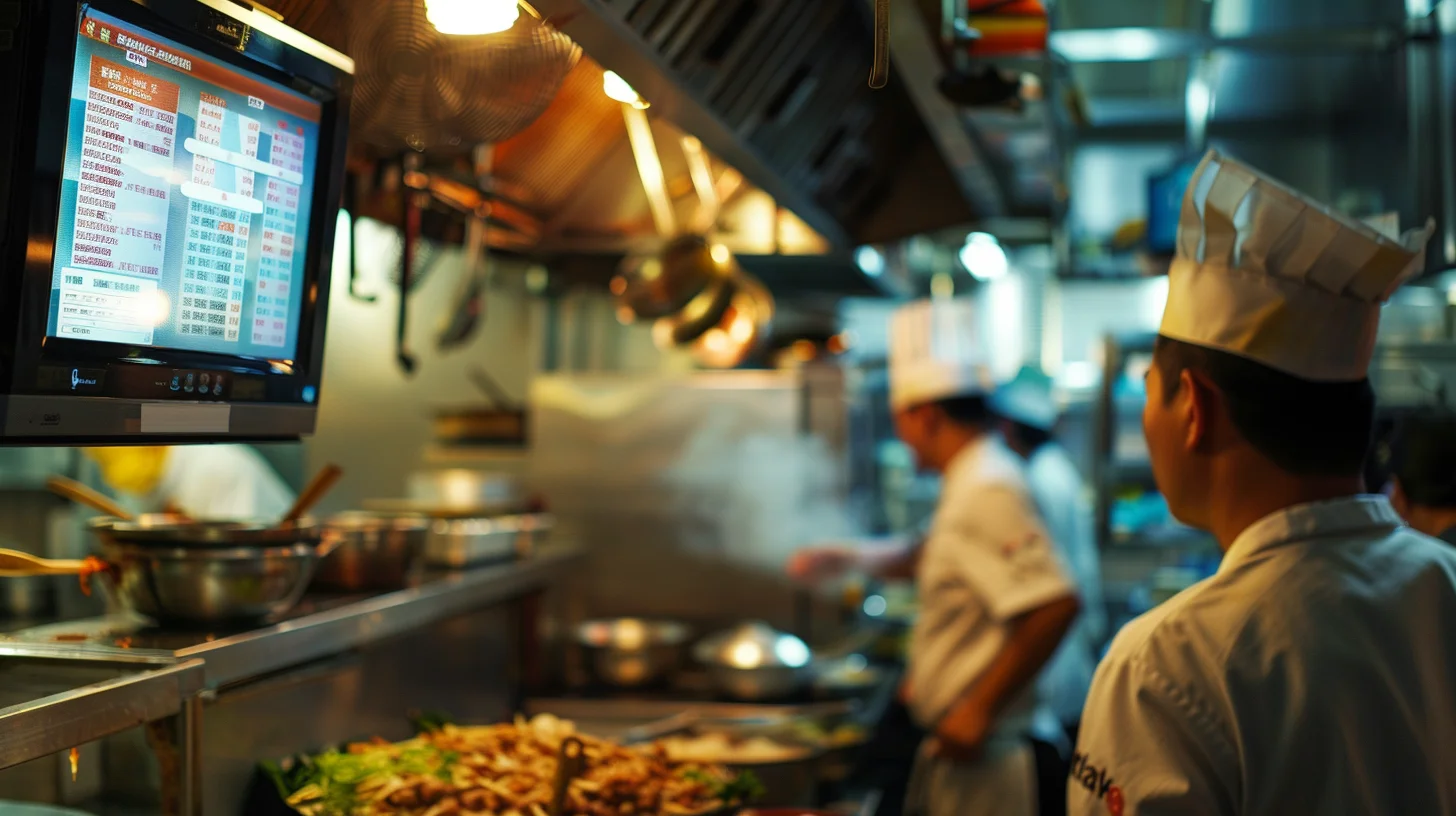
Orders should appear automatically on a kitchen screen, organized by preparation time and priority.
3. Real-Time Inventory Sync
When an item sells out on one platform, it should update across all channels instantly.
4. Offline Mode
Internet outages are common. Your system must continue accepting orders even when connectivity drops.
5. Local Payment Support
Integration with GCash, Maya, and cash-on-delivery options critical for Philippine customers.
How an Order Management System Improves Operations
Reduced Order Errors
Direct integration means no manual transcription. Orders flow from the customer's phone directly to your kitchen display. The result? Significantly fewer wrong orders and customer complaints.
Faster Preparation Times
Your kitchen sees all incoming orders on one screen, allowing better prioritization during rush hours. No more running between tablets to check what's coming next.
Better Customer Experience
Accurate orders mean faster deliveries and happier customers. Positive reviews on delivery platforms lead to more visibility and more orders.
Data-Driven Decisions
With all orders in one system, you gain insights into which platforms perform best, peak ordering times, and your most popular menu items.
Order Management System vs. Traditional POS
Many restaurants confuse a POS system with an order management system. Here's the difference:
| Feature | Traditional POS | Order Management System |
|---|---|---|
| Primary purpose | Processing payments | Consolidating orders |
| Delivery platform integration | Limited or none | Full integration |
| Kitchen display | Basic receipt printing | Advanced KDS with timing |
| Multi-location support | Varies | Standard |
The best restaurants use both: a robust POS for payments and an order management system to handle the complexity of multi-platform delivery.
Top Use Cases for Philippine Restaurants
Cloud Kitchens
Operating multiple delivery-only brands from one kitchen? An order management system is mandatory. It lets you manage all brands from a single dashboard while keeping orders separate for each brand.
Fast Casual Restaurants
High volume, rapid turnover. An OMS ensures kitchen staff see incoming orders instantly, reducing wait times during lunch and dinner rushes.
Restaurant Chains
Multi-location restaurants need总部-level visibility. An order management system provides real-time data across all branches.
Fine Dining
Even upscale restaurants benefit from delivery integration. An OMS keeps back-of-house operations smooth while maintaining the dining experience.
Implementation Tips
- Start with your biggest pain point — If GrabFood orders are causing delays, prioritize that integration first
- Train staff gradually — Don't switch everything at once. Introduce the system during off-peak hours first
- Monitor the first week closely — Watch for integration glitches and address them immediately
- Use reporting from day one — The data insights help you justify the investment to stakeholders
The Future of Restaurant Operations in the Philippines
As delivery platforms continue to dominate the food industry, restaurants that embrace order management systems will have a significant competitive advantage. Those still manually managing multiple tablets will struggle with efficiency, errors, and customer satisfaction.
The question is no longer whether to implement an order management system — it's whether your restaurant can afford not to.
Klikit offers an all-in-one solution that combines order management, POS, and payment processing specifically designed for Philippine restaurants. Book a demo to see how we can streamline your operations.