

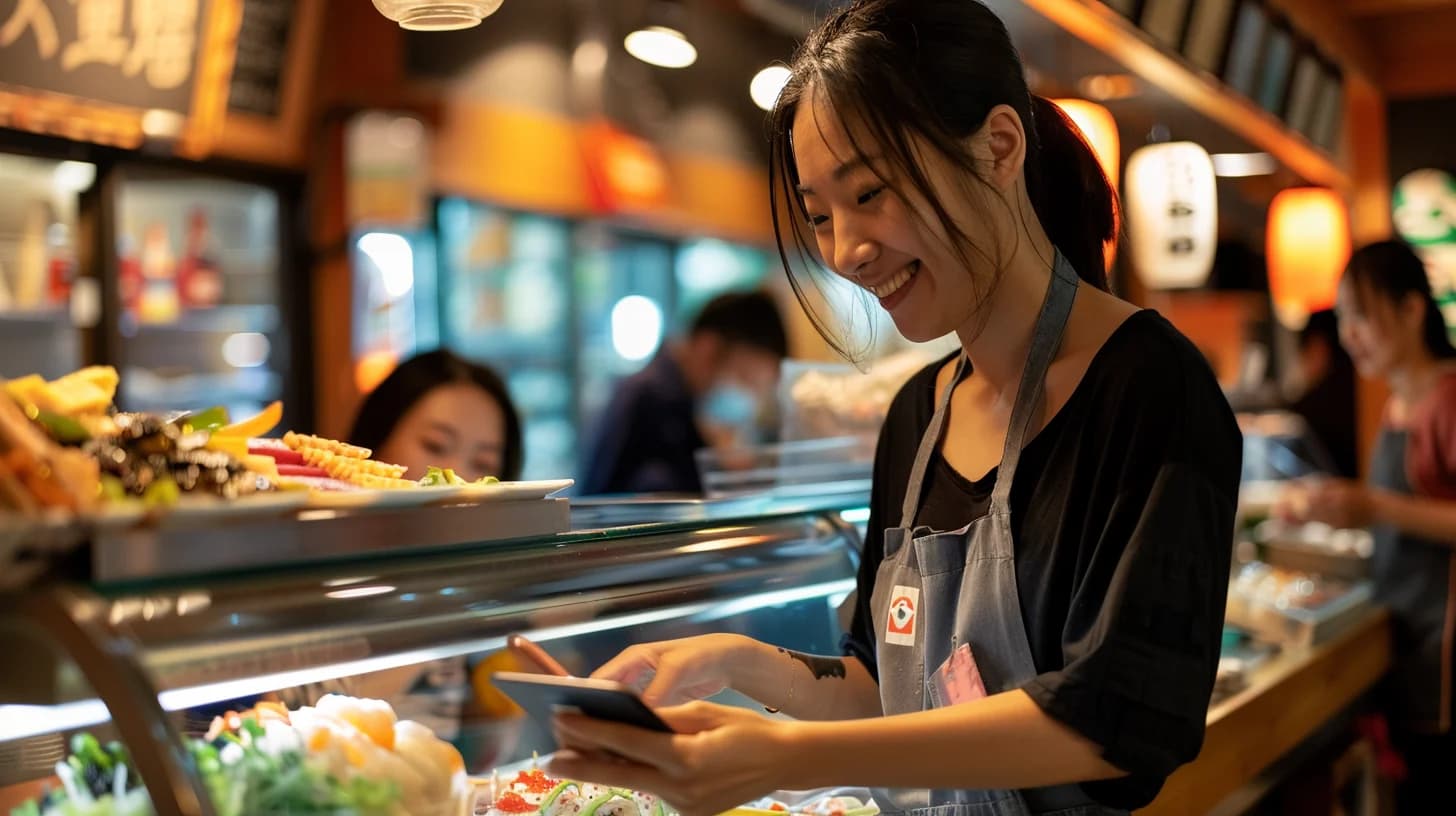
Grab, Gojek, and Uber Eats on One Tablet in Singapore
Running a restaurant in Singapore means dealing with multiple delivery platforms. Grab, Gojek, and Uber Eats each pull in customers, but managing three separate apps on three separate tablets creates chaos in your kitchen.
The solution? Consolidate all your delivery orders onto one tablet. Here's how Singapore restaurants are doing it.
The Problem: Multi-App Chaos
Imagine this: It's dinner rush at your restaurant in Orchard Road. The Grab tablet shows 2 new orders. The Gojek tablet pings with 1 order. The Uber Eats device buzzes with 3 more. Your kitchen staff is running between three different screens, trying to read tickets from three different apps.
This isn't just inefficient—it's a reliability nightmare. Orders get missed. Customers get angry. Your ratings on each platform suffer.
Singapore food delivery is competitive. With over 3 million users across platforms, restaurants can't afford to lose orders or alienate customers due to operational errors.
The Solution: One Tablet, All Orders
Order aggregation lets you consolidate orders from Grab, Gojek, and Uber Eats into a single dashboard. Here's what this means for your Singapore restaurant:
- One screen to watch — No more jumping between tablets
- Unified order queue — Orders appear in the order they came in, regardless of platform
- Automatic routing — Kitchen display systems show all tickets together
- Single reconciliation — End of day, one report instead of three
Why Singapore Restaurants Need Order Aggregation
Singapore's restaurant scene is one of the most competitive in Southeast Asia. Margins are tight, and delivery commissions eat into profits. Here's why aggregation matters:
1. Reduce Kitchen Errors
When your team focuses on one screen instead of three, mistakes drop. Every misread ticket costs you money in remakes and refunds.
2. Speed Up Fulfillment
Faster prep times mean better customer ratings. On platforms like Grab, your visibility ranking improves when you consistently deliver quickly.
3. Simplify Accounting
One reconciliation report makes bookkeeping so much easier. No more cross-referencing three different settlement statements.
4. Lower Hardware Costs
Three tablets means three data plans, three charging setups, and three points of failure. One tablet means one of each.
How Klikit Works in Singapore
Klikit integrates with Grab, Gojek, and Uber Eats to pull all your orders into one place. Here's what you get:
- Real-time sync — Orders appear instantly as they come in
- Menu sync — Update your menu once, and it updates across all platforms
- Stock alerts — Get warned when items are low across channels
- Analytics dashboard — See which platform performs best
Our Singapore restaurant customers report an average 23% reduction in order processing time after switching to consolidated order management.
Getting Started
Setting up order aggregation takes less than an hour. Here's how:
- Connect your Grab merchant account
- Connect your Gojek merchant account
- Connect your Uber Eats merchant account
- Import your menu
- Train your staff (usually 15-30 minutes)
That's it. You're now running all your delivery operations from one tablet.
The Bottom Line
In Singapore's competitive food delivery market, operational efficiency matters. Managing Grab, Gojek, and Uber Eats on one tablet isn't just convenient—it's becoming essential.
Stop letting multi-app chaos hurt your ratings and your bottom line. Consolidate your delivery orders today.